2026 Foreigners’ Self-Drive Travel Guide to Xinjiang
Wheels roll over the snow-covered curves of the Duku Highway, while the rearview mirror glances at the blue of Sayram Lake—Xinjiang is the ultimate dream destination for road trippers. Across this vast land, spanning one-sixth of China’s territory, snow-capped mountains, grasslands, lakes, deserts, and ancient cities weave together into a flowing panorama, waiting for you to explore with the turn of the steering wheel.
Xinjiang, China’s largest provincial-level administrative region, boasts an unimaginably vast expanse—its area alone exceeds the combined size of 13 provinces and municipalities: Henan, Shandong, Hebei, Beijing, Tianjin, Shanxi, Shaanxi, Hubei, Anhui, Jiangsu, Shanghai, Zhejiang, and Hunan. 2026 Foreigner Self-Drive Travel Guide: Here, driving isn’t merely a mode of transportation; it’s a lifestyle that immerses you in nature and culture. Departing from Ürümqi, you’ll embark on an epic journey traversing all four seasons and crossing the Tianshan Mountains from north to south.
I. Why Choose a Self-Drive Tour in Xinjiang in 2026?
1. Ultimate Freedom and Flexibility
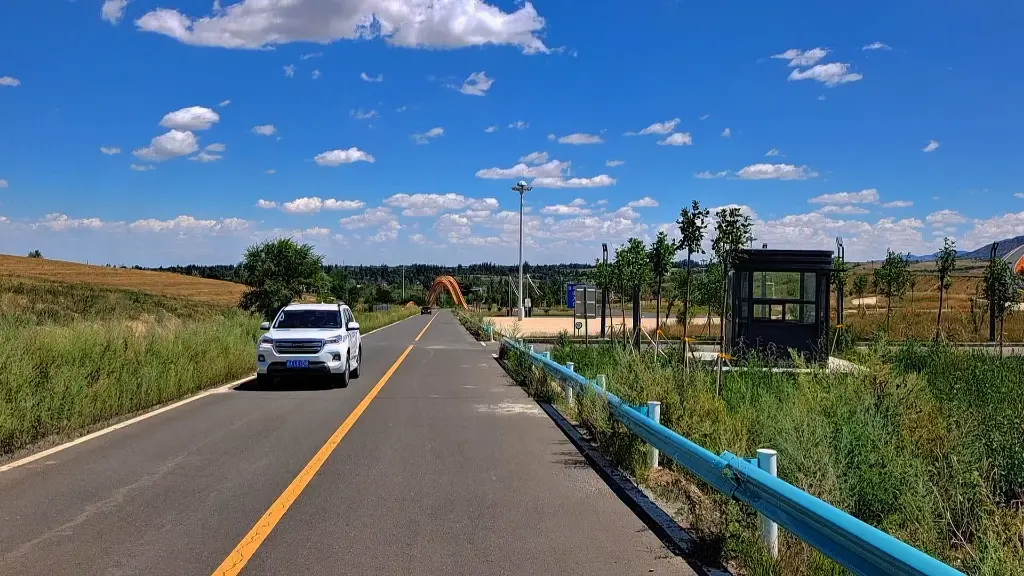
Xinjiang’s vast expanse and distant attractions make public transportation inconvenient. Self-driving grants you complete control over time and space—stop anytime before breathtaking flower fields, explore remote traditional villages, or camp under the starry sky to experience true travel freedom.
2. Exceptional Value for Money
Compared to chartered vehicles or group tours, self-driving in Xinjiang offers superior cost-effectiveness. A single vehicle can accommodate 4-6 people, making per-person expenses remarkably affordable. Opting for a rental campervan elevates this experience, allowing you to truly “make your home wherever you go.”
3. Uncover Hidden Gems
Xinjiang’s most breathtaking landscapes often lie off the beaten path. Self-driving grants you access to secluded wonders like the Danxia landforms along Provincial Highway S101, the primeval forests of the Ahe Highway, and the rugged gorges of the Tashagou Trail—destinations rarely reached by group tours.
II. Comprehensive Guide to Classic Self-Drive Routes for Foreigners
1. Northern Xinjiang Grand Loop (7-10 days): The Ultimate Natural Wonder Experience
Route: Ürümqi → Tian Shan Tianchi Lake → Keketuohai → Burqin → Kanas → Hemu → Urumqi Devil’s City → Sayram Lake → Yining → Nalati → Duku Highway → Ürümqi
Highlights:
Kanas Lake: Hailed as a “paradise on earth,” its waters shift hues with the seasons. Autumn’s vibrant foliage transforms the landscape into a fairy-tale realm.
Hemu Village Morning Mist: This traditional Tuvan settlement, shrouded in autumn mists with smoke curling from wooden huts, is revered as “God’s Private Reserve.”
Sayram Lake Blue Ice: Winter’s frozen surface reveals a surreal blue ice spectacle
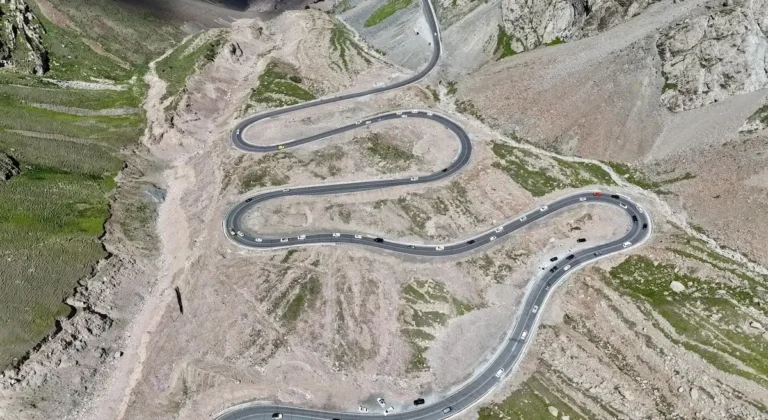
Duku Highway “Four Seasons in One Day”: Experience all seasons within 24 hours—June’s snow-capped peaks contrast with September’s vibrant foliage
Best Seasons: June-September (grassland blooms), September-October (autumn scenery), December-March (snow landscapes)
2. Southern Xinjiang Cultural Journey (8-12 days): A Silk Road Cultural Odyssey
Route: Kashgar → Tashkurgan (Pamir Plateau) → Shache → Hotan → Desert Highway → Kuche → Korla → Turpan
Highlights:
Kashgar Old Town: China’s sole labyrinthine urban district showcasing Islamic culture, still inhabited today with vibrant local life
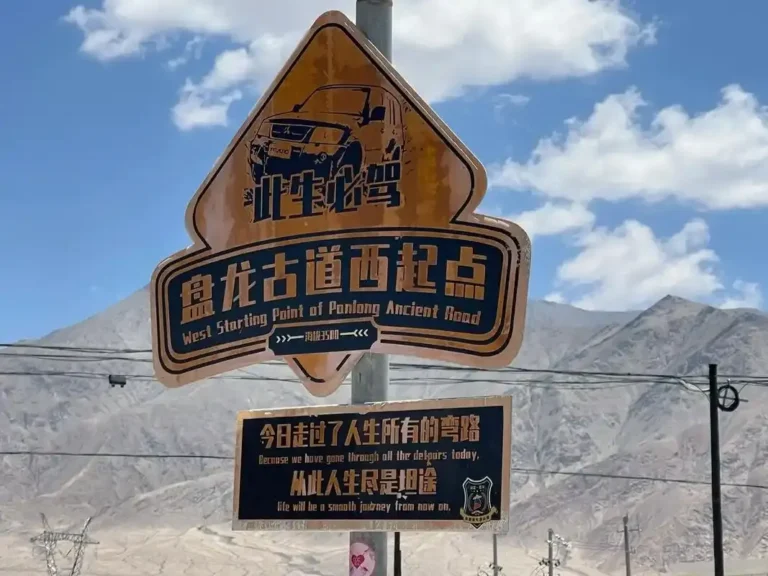
Panlong Ancient Road’s 600 Bends: Over 600 twists across 36 kilometers—each curve tests driving skills. Road signs proclaiming “Today you’ve navigated every bend” offer not just scenery, but life’s metaphors
Taklamakan Desert Highway: Traverse the “Sea of Death” through endless yellow sands where resilient poplar forests stand as miracles of life.
Luntai Poplar Forest: Golden in October, a paradise for photographers.
Best Seasons: April-June (avoid sandstorms), September-October (golden poplars)
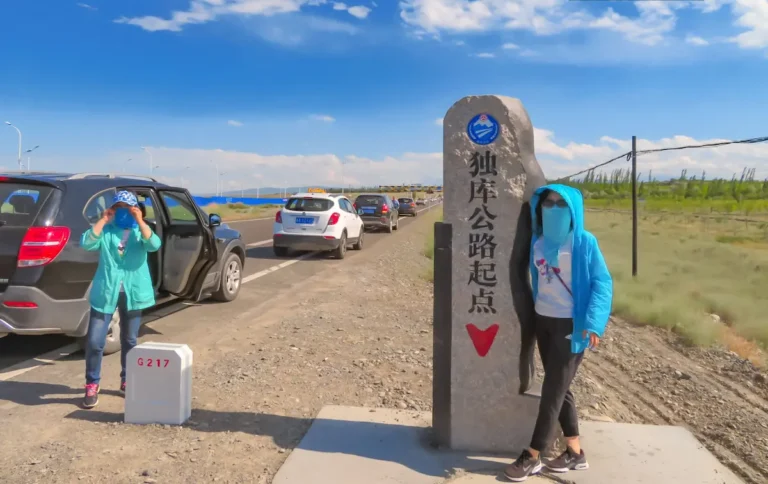
3. Full Duku Highway Route (5-7 days): The Heroic Road along the Tianshan Ridge
Route: Dushanzi → Nalati → Bayinbuluke → Kuqa
Latest 2025 Updates:
Opening Date: Officially opens June 1, 2025 at 10:00 AM, 10 days earlier than previous years; closure expected to extend to October 10
Total Length: 561 km, with 280 km above 2,000 meters elevation
Traffic Restrictions: Only vehicles with 7 seats or fewer permitted. Daily closure from 8:00 PM to 9:00 AM (except Nalati-Bayinbuluke section)
Key Attractions by Segment:
Northern Section (Dushanzi-Qiemo): Dushanzi Grand Canyon, Haxilegen Pass (3,400m elevation), Heavenly Waterfall
Central Section (Nalati-Bayinbuluke): Nalati Sky Meadow, Bayinbuluke’s Sun-Drenched Meandering River
Southern Section (Bayinbuluke-Kuche): Big and Small Dragon Pools, Tianshan Mysterious Grand Canyon, Kizil Thousand Buddha Caves
4. Ili Loop (6-8 days): A verdant ode to the “Jiannan of the Frontier”
Route: Ürümqi → Sayram Lake → Fruit Valley Bridge → Huocheng Lavender Fields → Zhaosu → Tekes Bagua City → Karajun Grassland → Nalati → Duku Highway
Best Season: June-August (peak grassland blooming period)
III. In-Depth Guide to Must-Visit Spots for Self-Driving Tours in Xinjiang
1. Kanas Lake: The Backyard of the Gods
Ticket Info: Adult ticket + shuttle bus approx. ¥230
Best Photo Spots: Fish Viewing Platform for panoramic views, Moon Bay’s S-shaped river, Fairy Bay’s morning mist
Unique Experiences: Lake cruises, visiting Tuvan villages, birch forest hikes
2. Sayram Lake: The Last Tear of the Atlantic
Ticket Info: ¥145/person (includes self-drive access)
Circumference: Approx. 90 km; counterclockwise route recommended
Best Times: June-August for wildflowers; December-February for blue ice landscapes
3. Nalati Grassland: The Windows Desktop of Sky Pastures
Self-Drive Pass: 48-hour pass ¥300/vehicle
Core Areas: Nomadic Homesteads, Viral Bridge, Sky Pastures
Featured Activities: Horseback riding (¥80-100/hour), Kazakh home visits, grassland stargazing photography
4. Bayinbuluke: Sunset Spectacle at the Nine Bends and Eighteen Curves
Ticket Info: ¥140/person (includes shuttle bus)
Best Viewing Time: Arrive 2 hours before sunset to capture the “Nine Suns” phenomenon
Important Notes: No self-driving allowed within the scenic area; plan your time carefully. Grassland mosquitoes are prevalent—bring insect repellent.
5. Tianshan Mysterious Grand Canyon: Martian-like Red Spectacle
Ticket Info: ¥41/person
Best Photography Time: Noon for capturing the “Skyline” light and shadow
Safety Tip: Flash floods may occur during rainy season; monitor weather changes closely.
IV. Comprehensive Practical Self-Drive Information
1. Car Rental Options and Platform Recommendations
Important Notes for Foreign Tourists Renting Vehicles:
Driver’s License Requirements: Must hold a valid Mainland China driver’s license (with ≥1 year driving experience); International driver’s licenses are not accepted.
Required Documents: Original ID card, driver’s license, and credit card.
Recommended Rental Platforms:
Yihai Car Rental: Rapidly updated fleet with 80% vehicles under 2 years old; offers “Premium Full Coverage” including separate tire/glass damage protection
Zhenzhou Car Rental: Over 50 locations across Xinjiang; nighttime emergency response ≤2 hours; select models support “free cross-city returns”
Hello Rent-a-Car: Official stores offer 20% lower rates than third-party platforms; supports Sesame Credit deposit waiver (680+ score)
Vehicle Selection Recommendations:
Cities & Highways: Standard sedan or economy SUV
Grasslands & Gobi Sections: 4WD SUV
Challenging Terrain (e.g., Duku Highway, Kanas): Hard-drive off-road vehicle
2. Document and Procedure Preparation
Essential Documents:
ID card (carry at all times; frequent security checks in Xinjiang)
Driver’s license, vehicle registration, rental contract
Border Pass Processing:
Required areas: Baihabah, Tashkurgan (Tashkurgan County), parts of Kanas
Processing locations: Available at home registration offices or Xinjiang locations (e.g., Kashgar Government Service Center)
3. Fueling and Charging Infrastructure
Gas Station Distribution:
Gas stations are relatively dense in Xinjiang, but fill up completely before entering uninhabited areas
Along the Duku Highway: Dushanzi, Qiemo, Nalati, Bayinbuluke, Kuqa
Important Note: Fill up whenever possible; top off when fuel level exceeds half tank
Charging Station Information (for EV Owners):
Qiemo: 4 x 120kW fast chargers, reservation required via State Grid e-Charge app
Bayinbulak Camp: 8 x 180kW liquid-cooled chargers, reservation via WeChat mini-program
Other locations: Maoliugou Service Area, Nalati Service Area, Dongfeng Coal Mine Service Area
4. Driving Safety & Road Conditions
Speed Limits:
Xinjiang enforces strict speed limits. National highways typically cap at 60-80 km/h.
Scenic routes like Duku Highway and Yizhao Highway have lower speed limits on certain sections.
High-Risk Road Segments:
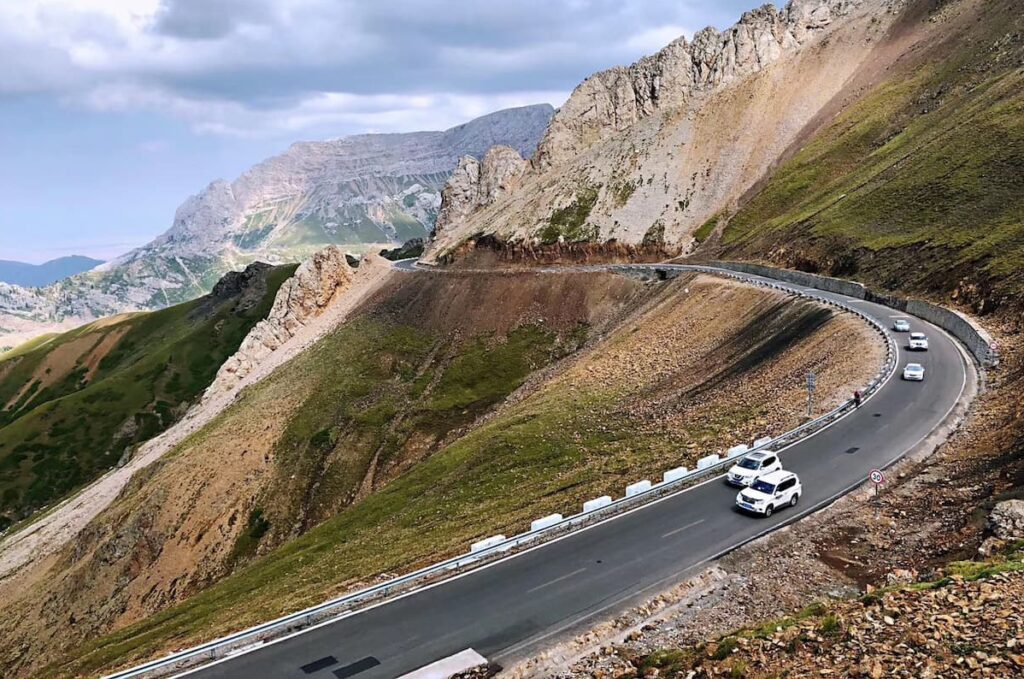
Tiger’s Mouth Pass: Sharp curves + falling rocks between Dushanzi and Qiemo. Maintain distance + use horn.
Hashilegen Pass: Elevation 3,400 meters. Carry oxygen bottles and avoid strenuous activity.
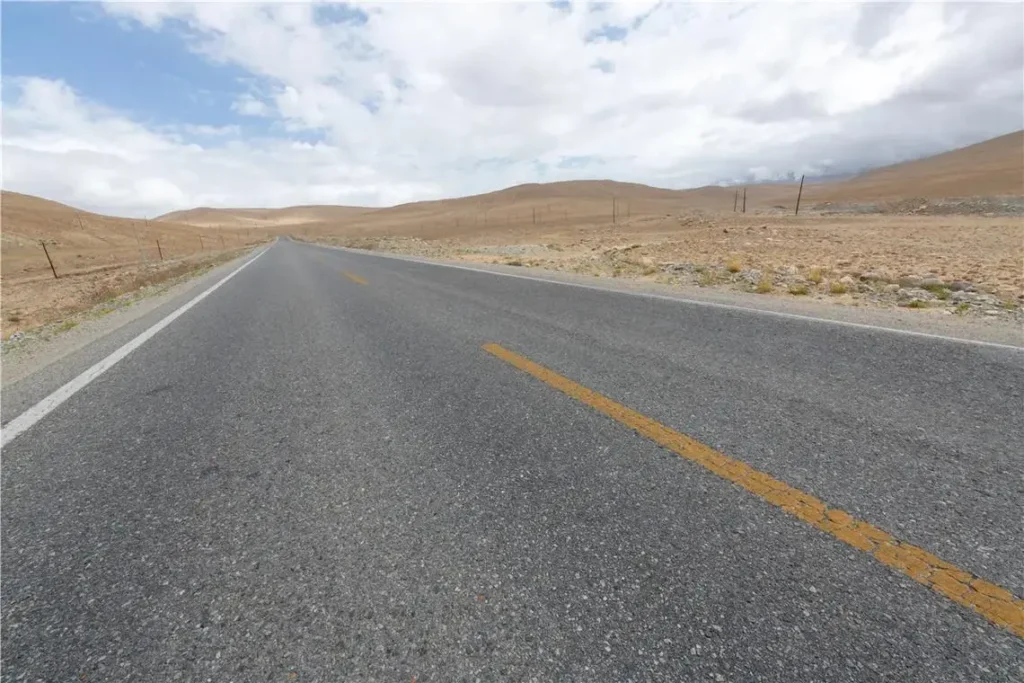
Desert Highway: Beware of crosswinds; avoid driving during peak heat to prevent tire blowouts
Weather Preparedness:
Xinjiang experiences significant day-night temperature swings (e.g., Turpan: 40°C daytime, 15°C nighttime). Pack windproof jackets, sun-protective clothing, hats, and sunglasses
Mountain roads may experience landslides during rain or snow; monitor real-time road conditions
V. Culinary Map: Xinjiang on the Tip of Your Tongue
1. Northern Xinjiang Specialties
Roast Whole Lamb: Freshly roasted on the Bayinbuluke Grassland pasture, approx. ¥1,500 per lamb (Recommended: Jianggeer Camp)
Hand-Pulled Rice: Kuche’s “Alim Hand-Pulled Rice” features tender lamb served with carrots and raisins
Wild Mushroom Noodles: A specialty of Qiemo Station, showcasing the freshness of wild fungi
2. Southern Xinjiang Flavors
Grilled Baozi: Kashgar Old Town specialty—flaky, juicy buns, ¥3 each
Big Plate Chicken: Yining’s most authentic version—tender chicken, soft potatoes, rich broth
Hotan Night Market Grilled Eggs: Unique cooking method—best enjoyed with a Southern Xinjiang food dialect guide
3. Dining Recommendations Along the Route
Price Note: Bayinbuluke has higher prices; bring snacks. Kucha Night Market offers better value.
Featured Restaurant: Dushanzi “Xiyu Nai Restaurant” (yogurt with dried fruits, roasted buns, stir-fried noodles)
VI. Photography and Unique Experiences Guide
1. Optimal Photography Times and Locations
Early Morning (7:00–8:30): Nalati morning mist, Hemu Village cooking smoke
Evening (after 21:00): Bayinbuluke’s Nine Bends and Eighteen Curves sunset
Nighttime: Qiemo’s light pollution-free skies—use tripod + long exposure to capture the Milky Way
2. Drone Usage Regulations
Registration Requirement: Pre-registration required via the “Xinjiang Public Security” app
No-Fly Zones: Prohibited filming at checkpoints, military facilities, and inside mosques
Recommended Equipment: Bring a polarizing filter to reduce glare
3. Cultural Activities
Kazakh Home Visit: Near Qiemo, experience milk tea and dombra performances
Bonfire Party: Nalati Xin Yicamp sunset barbecue + ethnic songs and dances
Tajik Goat-Pulling Competition: Taxkorgan folk event requires advance booking
VII. Special Considerations for Foreign Tourists Traveling in Xinjiang
1. Scenic Area Restrictions
Certain scenic areas in Xinjiang impose restrictions on foreign tourists. It is essential to research these restrictions in advance and plan accordingly. We recommend consulting local travel agencies or tourism authorities during the itinerary planning stage.
2. Cultural Respect and Etiquette
Religious Sites: Photography is prohibited inside mosques; visitors must dress modestly.
Ethnic Customs: Respect local Islamic practices; avoid pointing knife edges when handing items.
Interaction Norms: Remove shoes before entering Kazakh yurts; accept milk tea with both hands.
3. Communication & Internet
Signal Coverage: Weak reception in mountainous areas (e.g., Tianshan, Altai Mountains) and deserts (Taklamakan).
Emergency Communication: Carry a satellite phone (438.000MHz off-road universal frequency).
Offline Preparation: Download offline maps in advance (recommended: Gaode/Baidu offline packages for Xinjiang).
VIII. Environmental Protection and Safety Guidelines
1. Environmental Conduct Standards
Leave No Trace Principle: All trash must be carried back to towns for disposal (no trash bins provided at service areas)
Prohibited Activities: Picking protected plants like snow lotus, using drones to photograph wildlife, using disposable tableware
Penalties for Violations: Littering carries a maximum fine of 500 yuan
2. Emergency Contact Information
Traffic Police Hotline: 12122
Dushanzi Section Rescue: 0992-3864122
Bayinbuluke Rescue: 0996-5022505
Qiemo Traffic Police: 0999-7797770
Kuche Traffic Police: 0997-7888160
3. Vehicle Breakdown Preparedness
Essential Tools: Tow rope (5-ton capacity), emergency power supply, air pump, first-aid kit
Insurance Requirements: Must include high-altitude towing service (confirm coverage above 3,000 meters)
Winter Preparations: Snow chains, winter tires (common on icy roads in Northern Xinjiang)
A self-drive tour through Xinjiang is not merely a visual feast, but a spiritual pilgrimage. On this land, you will witness the dialogue between snow-capped mountains and grasslands, experience the symbiosis of desert and oasis, and listen to the millennia-old echoes of the Silk Road. Whether traversing the rugged grandeur of the Duku Highway, contemplating the serene mystery of Kanas Lake, or immersing yourself in the vibrant hustle and bustle of Kashgar Old Town, every kilometer of Xinjiang deserves to be measured with your heart.
Tips for Self-Driving in Xinjiang, China:
Best Travel Period: Northern Xinjiang: June–September; Southern Xinjiang: April–June or September–October
Itinerary Planning: Limit daily driving to 6 hours and allow ample time for photography
Accommodation Booking: During peak season (July–October), reserve at least one month in advance
Vehicle Inspection: Before departure, thoroughly check tires, brakes, and coolant
Respect Local Culture: Understand and observe local ethnic customs and religious taboos
Pack your bags, start your engine, and let Xinjiang’s breathtaking landscapes unfold beneath your wheels. This is more than just a journey—it’s an immersive dialogue with nature, history, and culture. Xinjiang awaits your arrival!