Staying Healthy on a Xinjiang Trip: Altitude, Food, Water and Sun
From altitude and food safety to sun, water, and pharmacies, here’s the practical health playbook that keeps a Xinjiang trip on track.

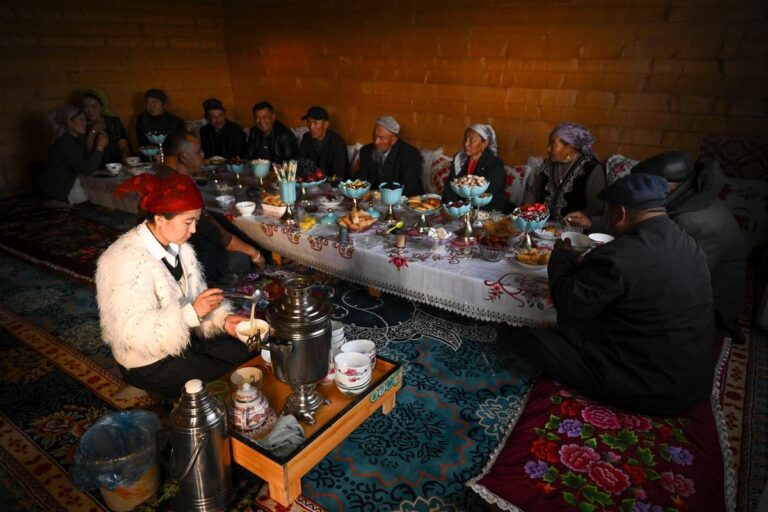
From altitude and food safety to sun, water, and pharmacies, here’s the practical health playbook that keeps a Xinjiang trip on track.
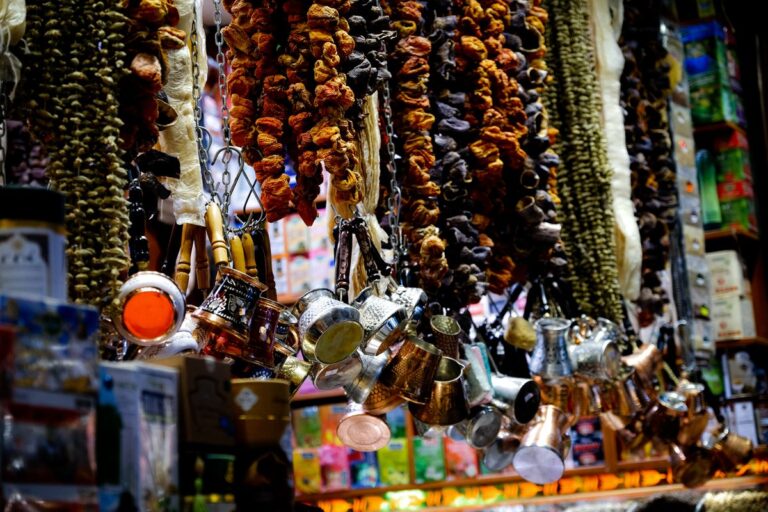
From hand-woven carpets to snow-cooled dried fruit, here’s what’s worth carrying home from Xinjiang, where to buy it, and how to bargain fairly.
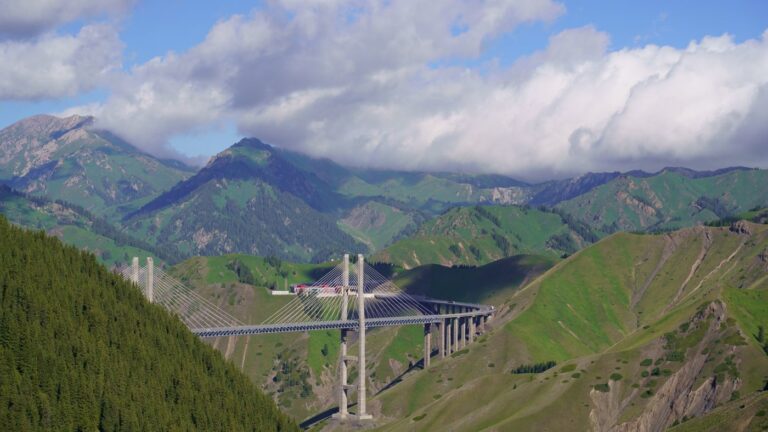
You don’t need to self-drive to see Xinjiang. Here’s how trains, long-distance buses, flights and city transport connect the region’s far-flung highlights.

Tomur Peak (Tuomuer) is the highest summit of the Tianshan and Xinjiang’s roof. Learn how to visit, permits, best viewpoints, and trekking tips.
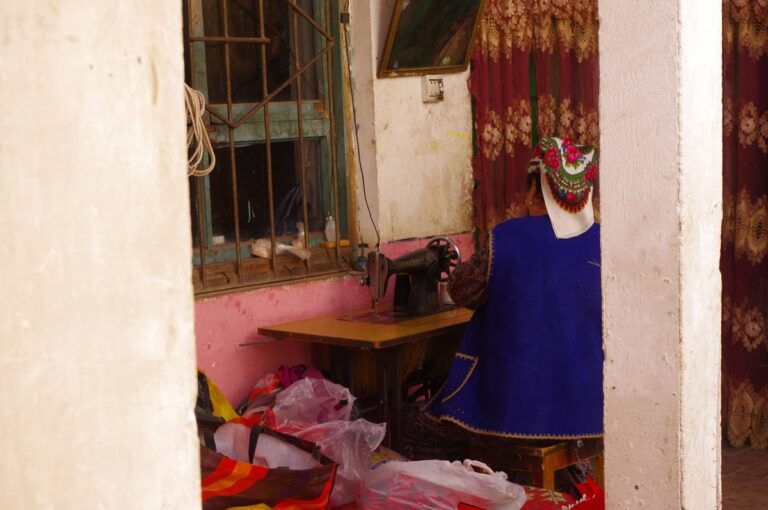
From the Uyghur doppa cap to Kazakh embroidered coats, Xinjiang ethnic clothing reflects its peoples. Learn what locals wear and how to dress respectfully.
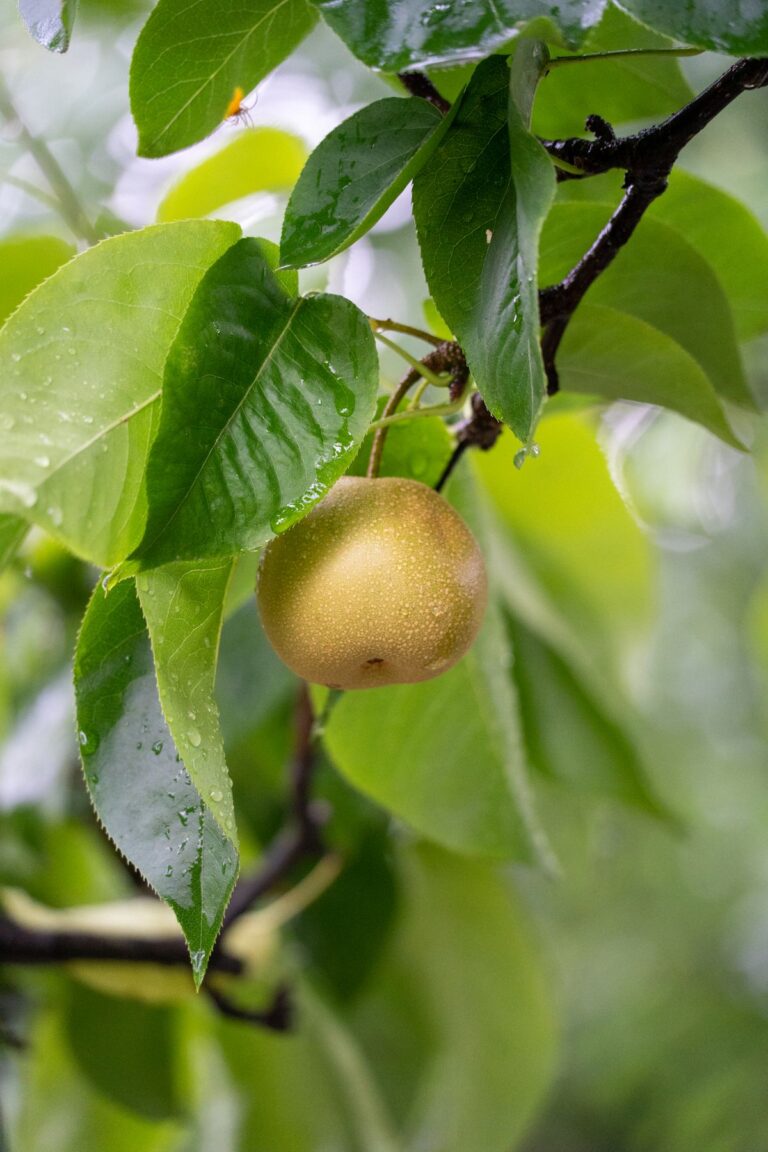
Korla pear (Ku’erle xiangli) is Xinjiang’s most famous fruit. Learn its history, how to pick ripe pears, season, storage, and how to eat and ship them home.
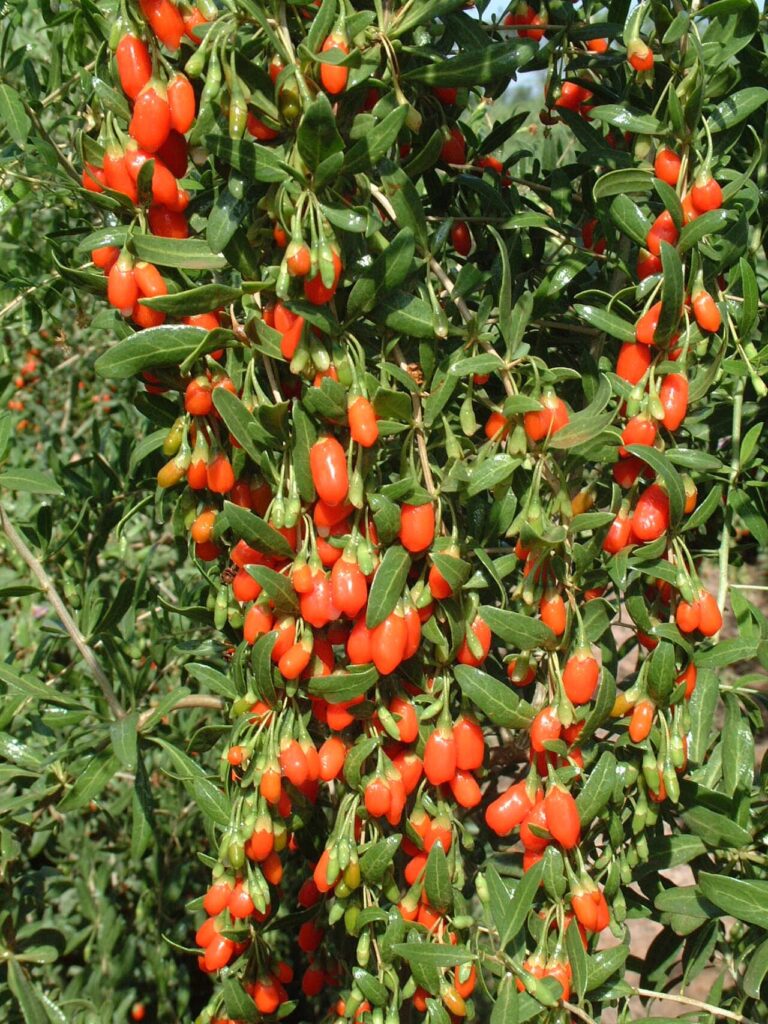
A guide to wild herbs and botanicals of Xinjiang: common Ili valley and Tianshan plants, herbal teas to try, foraging rules, and bazaar buying tips.
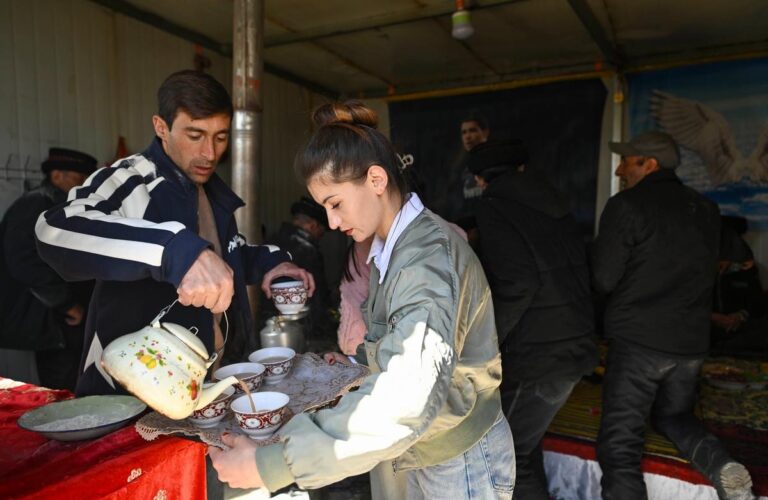
Hookah culture in Xinjiang explained for travelers: where to smoke shisha in tea houses, the tobacco styles, etiquette, and how a session becomes an evening.
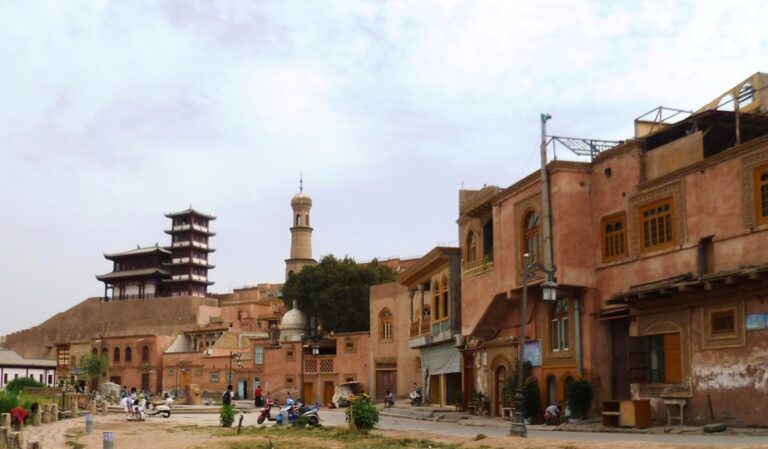
A traveler’s guide to saffron in Xinjiang: where it grows around Kashgar and Hotan, how to spot real threads, fair prices, and how locals cook with red gold.

A practical guide to responsible tourism in Xinjiang: support local families, buy direct from makers, and tread lightly at lakes and pastures.