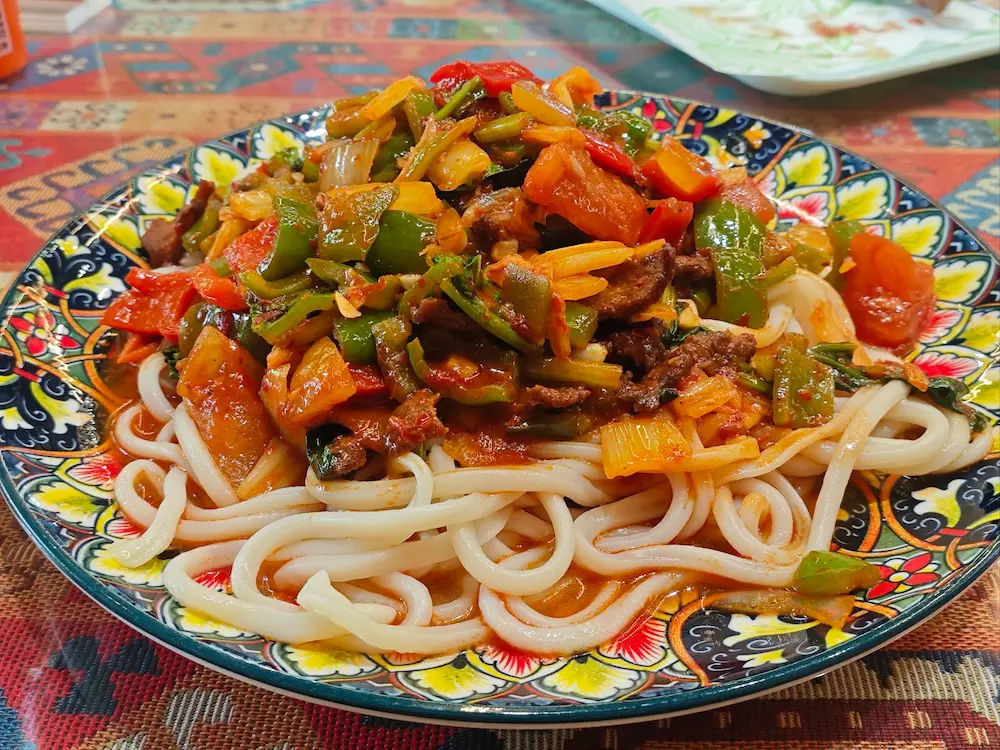
Introduction to Xinjiang Stir-Fried Noodles(La Tiao Zi)
Last updated: July 15, 2026 · Written by Karl Huang, a Xinjiang travel specialist who has spent time across the region. Practical details are cross-checked against official tourism, transport, and border-regulation sources.
A single strand of noodle can be stretched into a thousand threads, A bowl of stir-fried noodles reveals a thousand years of culture. In Xinjiang, there’s no problem a bowl of stir-fried noodles can’t solve— If there is, just add more noodles!
Across the vast lands of Xinjiang, stir-fried noodles (commonly known as “latiaozi”) are not only a daily staple but also a cultural symbol. A local saying in Xinjiang goes, “Go three days without latiaozi, and your body will start shaking,” which speaks volumes about the dish’s significance in the hearts of Xinjiang’s people. As a product of culinary fusion along the Silk Road, Xinjiang’s stir-fried noodles blend Central Plains noodle-making techniques with Western Region meat-eating traditions, creating a truly unique dish. Whether in the sweltering summer or the bitter winter, a steaming bowl of stir-fried noodles never fails to satisfy the palates of Xinjiang locals and visitors alike.
I. The History and Cultural Heritage of Stir-Fried Noodles
Culinary Fusion Along the Silk Road
The history of Xinjiang stir-fried noodles traces back thousands of years, serving as a vivid embodiment of the convergence of Eastern and Western culinary cultures. Known as “langman” in Uyghur, the dish’s origins are subject to multiple theories. One account suggests it originated in Gansu’s Hexi Corridor and was brought to Xinjiang by migrants; another posits it as an innovation by local ethnic minorities.
Historically, camel caravans traversing the Silk Road brought noodle-pulling techniques from Shanxi and Shaanxi provinces into Xinjiang. These techniques merged with the region’s abundant beef and mutton traditions, gradually evolving into today’s stir-fried noodles. This fusion is evident not only in ingredients but also in cooking techniques, forming a distinctive culinary culture.
The Significance of Stir-Fried Noodles in Xinjiang Life
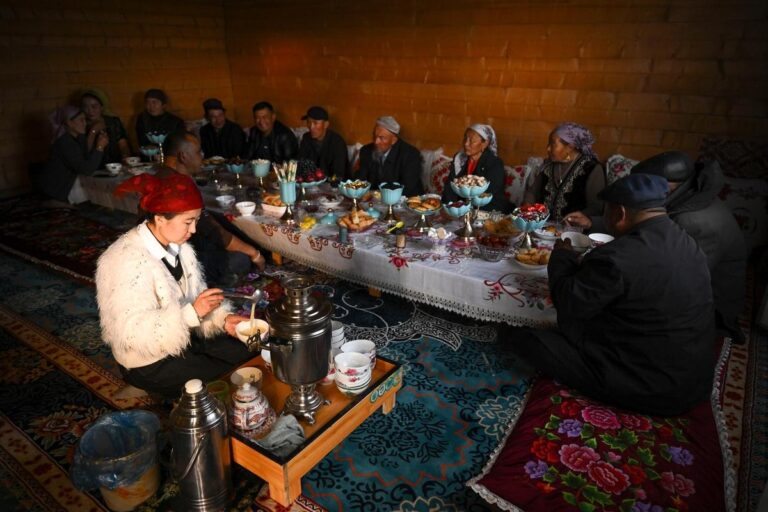
In Xinjiang, stir-fried noodles transcend mere sustenance, becoming a cultural symbol and emotional bond. Whether in daily family meals or festive gatherings, they remain an indispensable centerpiece. The bold and warm-hearted nature of Xinjiang people is reflected in their approach to eating stir-fried noodles—served in large platters, accompanied by generous chunks of meat, and often accompanied by hearty shouts of “Add more noodles!”
Noodle shops are the most common eateries on Xinjiang streets, bustling with noise at mealtimes. Diners gather around tables, heartily enjoying the chewy noodles and fragrant toppings, painting a vivid picture of Xinjiang folk customs.
II. The Unique Charm of Xinjiang Stir-Fried Noodles
The Art of Hand-Pulled Noodles
The essence of Xinjiang stir-fried noodles lies in the word “pull.” Unlike ordinary noodles, stir-fried noodles are made by hand-pulling, bypassing the rolling and pressing processes. Crafting these hand-pulled noodles is a skill requiring extensive practice, with each step—from kneading and resting the dough to pulling the strands—demanding precision.
Authentic hand-pulled noodles demand Xinjiang’s locally sourced high-gluten flour. Cultivated under the region’s extreme day-night temperature fluctuations and abundant sunlight, this flour boasts a fine texture, rich wheat aroma, and superior gluten quality. During kneading, salt is added in measured amounts, with water incorporated gradually through repeated folding until the dough achieves a smooth, elastic consistency. Multiple resting periods follow to fully relax the gluten strands, enabling the creation of slender, uniform noodles.
Rich Variety of Toppings
Another hallmark of Xinjiang stir-fried noodles is the abundance of toppings. These toppings encompass nearly all seasonal vegetables, ranging from classics like stir-fried meat with oil to creative combinations, offering something for every preference.
Classic toppings include:
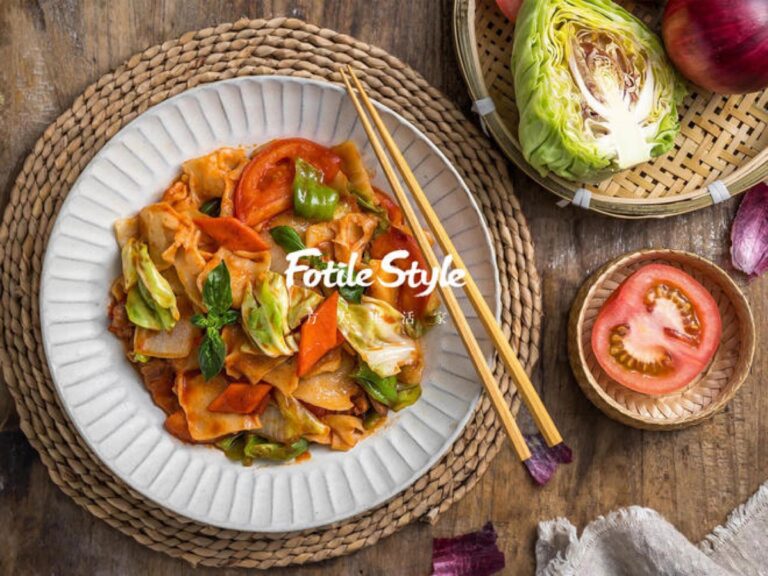
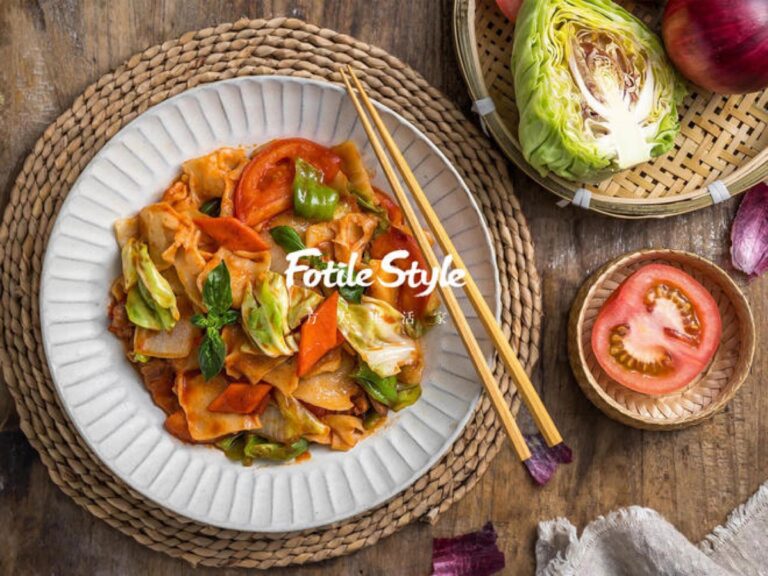
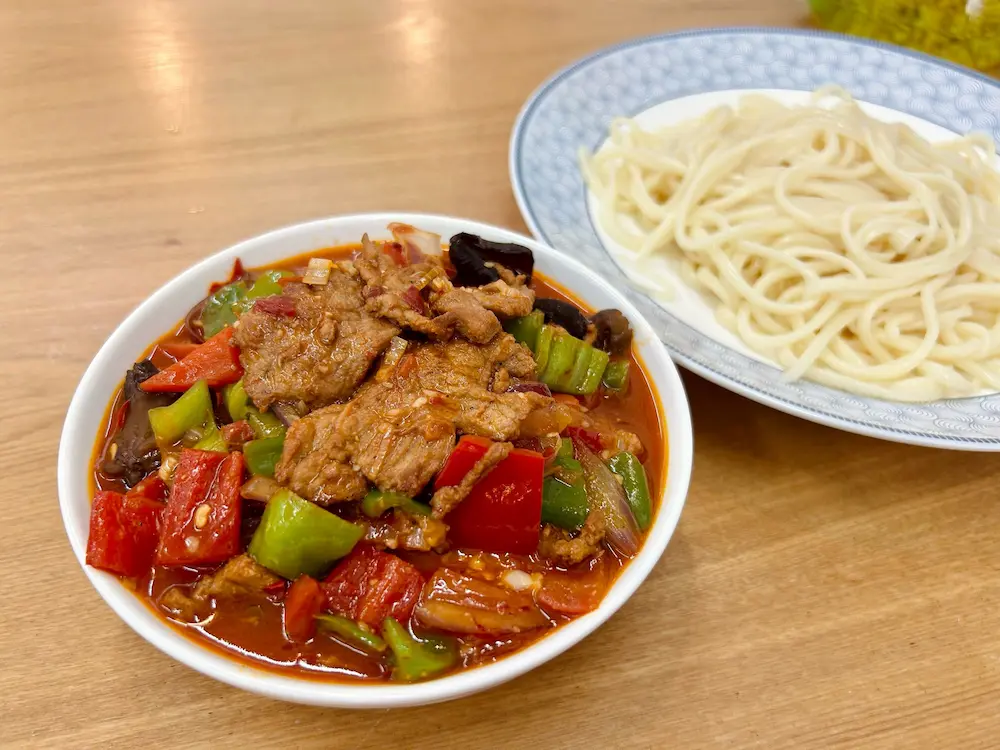
- Stir-fried Meat with Oil: Sliced lamb hind leg or beef tenderloin stir-fried with oil, served with green and red peppers, onions, etc., delivering a savory, tender, and smooth texture.
- Tomato and Egg Stir-fry: Tomatoes and chili peppers stir-fried with eggs, offering a sweet-and-sour, mildly spicy flavor—a staple for vegetarian noodles.
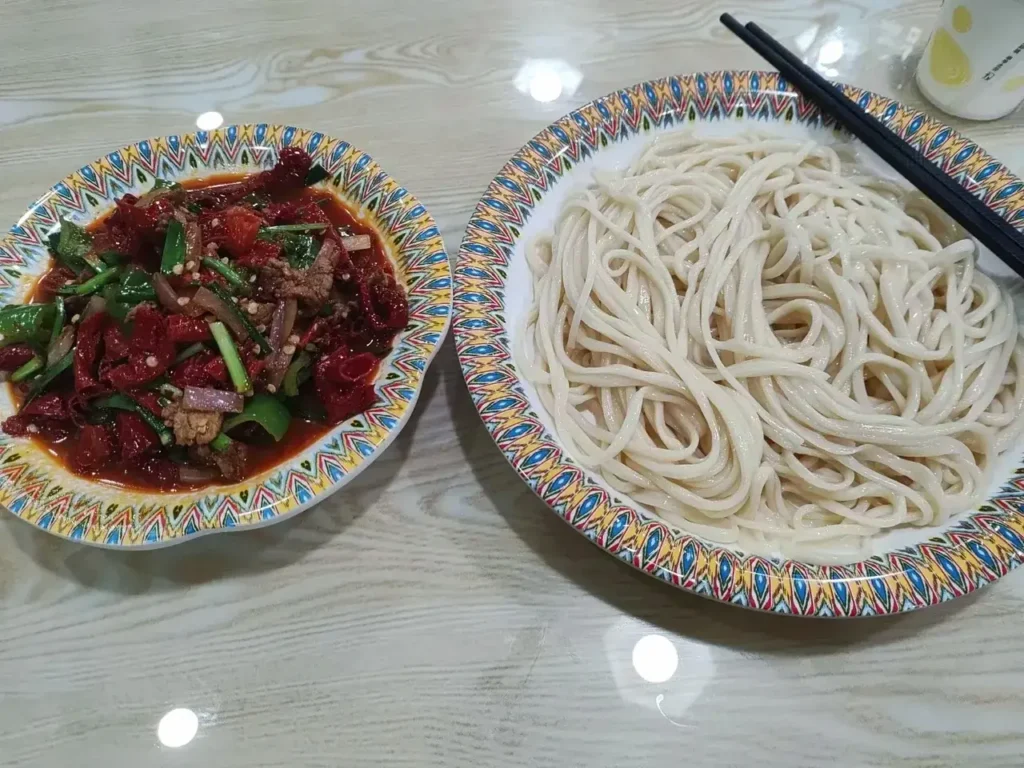
- Spicy Chili Noodles: Featuring Xinjiang’s specialty dried chili peppers, delivering a fragrant yet not overpowering heat with a lingering aftertaste.
Xinjiang locals adjust toppings according to seasonal changes—lighter in summer, richer in winter—making stir-fried noodles a year-round culinary delight.
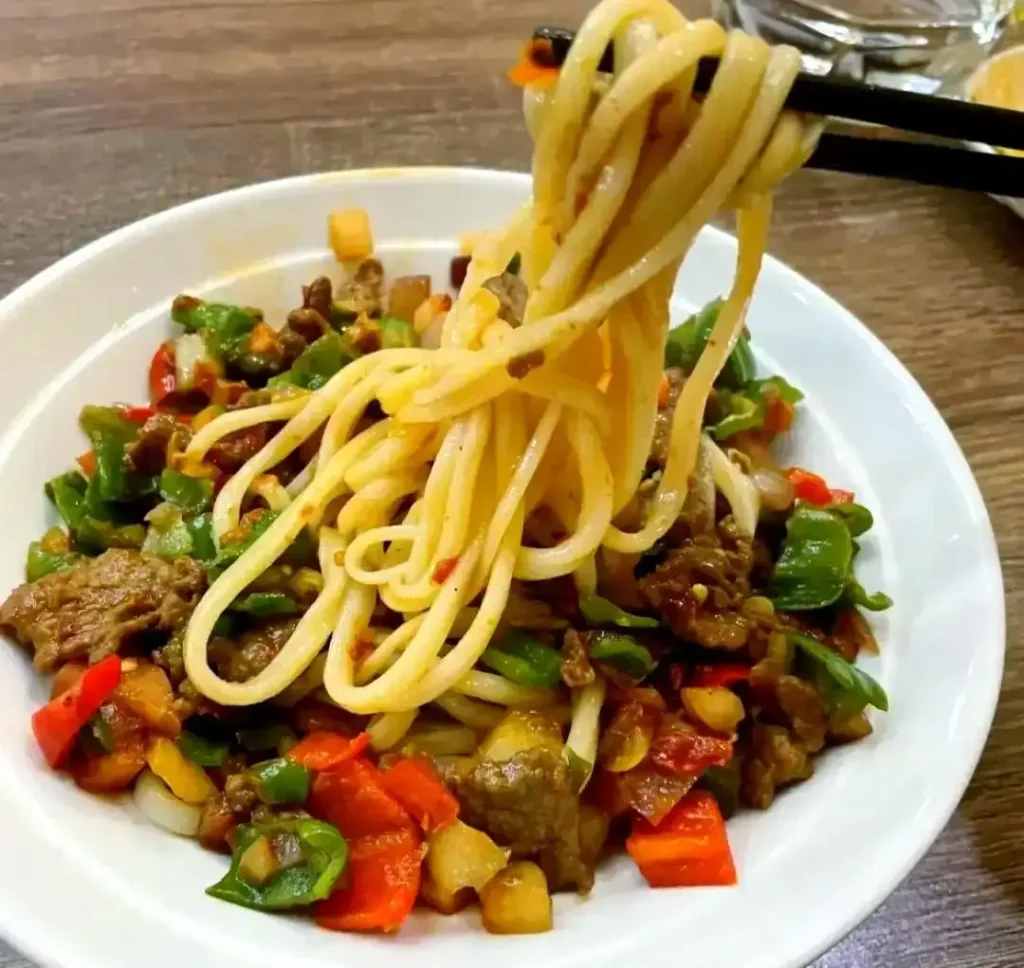
III. Main Varieties of Xinjiang Stir-Fried Noodles
Through years of development, Xinjiang stir-fried noodles have evolved into numerous regionally distinctive varieties. Below are several classic types:
1. Deep-Fried Meat Noodles
Hailed as the “king” of Xinjiang noodles, this dish is colloquially known as “ghost meat noodles.” Premium beef or lamb is precisely deep-fried at controlled temperatures to lock in juices and maintain tenderness. Served with vibrant vegetables like wood ear mushrooms and green/red peppers, it boasts a rich, intense flavor.
2. Toksun Noodles
Toksu Mixed Noodles hold the reputation as “Xinjiang’s Premier Noodles,” distinguished by exceptionally chewy noodles and simple yet authentic toppings. Historically, travelers journeying north or south would savor this dish in Toksu, fueling themselves for the long road ahead.
3. Large Plate Chicken Mixed Noodles
Large Plate Chicken Mixed Noodles represent another Xinjiang culinary innovation, seamlessly blending the famous Large Plate Chicken dish with mixed noodles. The wide noodles fully absorb the broth from chicken and potatoes, creating a rich texture and generous portion that is especially popular with tourists.
4. Regional Specialty Noodles
Each region of Xinjiang has its own signature noodle dish:
- Yili Noodles: Emphasize authentic flavors, often using locally sourced premium agricultural and livestock products
- Atushi Noodles: Focus on layered seasoning combinations for complex taste profiles
- Qitai Noodles: Boast a long history and traditional preparation methods
IV. Recommended Famous Xinjiang Stir-Fried Noodle Restaurants
Urumqi Area
As the capital of Xinjiang, Urumqi gathers renowned stir-fried noodle masters from across the region. Toksu Old-Style Stir-Fried Noodles enjoys considerable local fame, preserving the most traditional preparation methods. Its noodles are firm and springy, while the broth is rich and flavorful, making it an excellent choice for experiencing authentic Xinjiang stir-fried noodles.
Regional Specialty Noodle Shops
Across Xinjiang’s prefectures and regions, numerous well-regarded noodle shops remain hidden gems. These establishments may feature simple decor, but their flavors are undeniably authentic. For instance, certain small shops in Kashgar’s Old City are favored by locals and tourists alike for their fresh ingredients and affordable prices.
Tips for Choosing a Noodle Shop: Authentic establishments typically feature bustling crowds, hand-pulled noodles, complimentary noodle refills, and serve garlic and noodle broth—all hallmarks of genuine Xinjiang-style noodles.
V. The Proper Way to Eat Stirred Noodles
Etiquette for Eating Stirred Noodles
In Xinjiang, eating stirred noodles involves a unique set of customs. The correct method is to pour all the toppings into the noodles, mix thoroughly, and ensure every strand is evenly coated with the broth. Accompanying the dish with raw garlic not only disinfects but also enhances the flavor. After the meal, drinking a bowl of the original broth aids digestion.
Xinjiang locals enjoy their noodles without fuss, happily slurping noodles as a sign of appreciation for the dish. Simultaneously, noodle shops often echo with calls of “Add noodles!”—a distinctive feature of Xinjiang’s noodle culture. After finishing your noodles, you can request free refills of plain noodles.
Pairing Noodles with Beverages
Traditionally, noodles are served with brick tea or milk tea, which cut through richness and aid digestion. With changing times, some now prefer pairing them with local Xinjiang beer or kvass, offering a distinct flavor experience.
VI. Home-Style Xinjiang Stir-Fried Noodles Tutorial
Ingredient Preparation
Dough Ingredients:
- 500g high-gluten flour
- Approx. 250ml water (lukewarm preferred)
- 5g salt
- Vegetable oil as needed
Topping Ingredients (Classic Stir-Fried Noodles with Oil-Fried Meat):
- 300g lamb hind leg
- 1 green bell pepper
- 1 red bell pepper
- ½ onion (diced)
- 1 tomato
- Garlic and ginger to taste
- Seasonings: Salt, cumin powder, soy sauce, cooking wine, etc.
Detailed Preparation Steps
Kneading and Resting the Dough
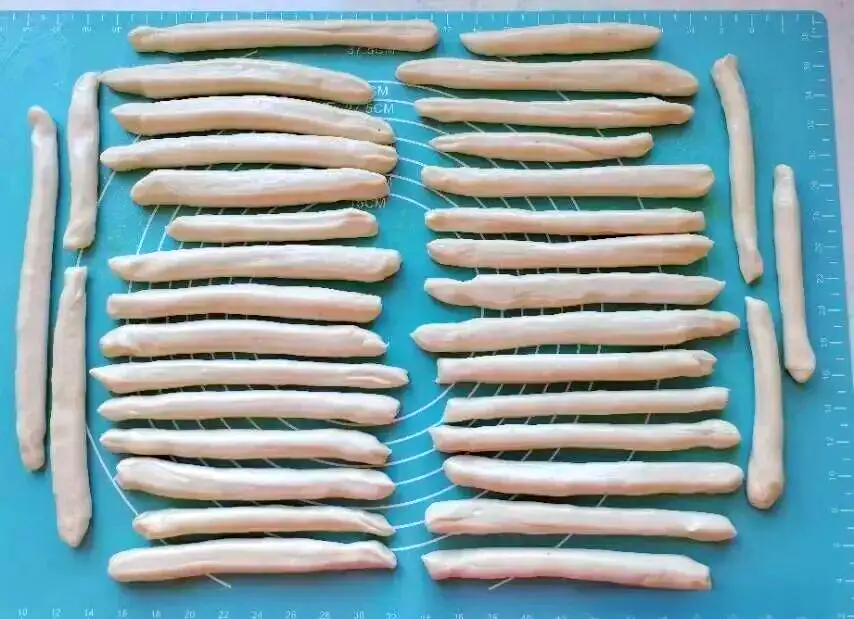
Dissolve salt in warm water. Gradually add to flour while stirring until flaky dough forms. Knead by hand into a smooth ball. Cover with a damp cloth or plastic wrap and let rest for 20 minutes. Remove and knead again. Repeat this process 2-3 times until the dough is soft and elastic.
Prepare Vegetables
Slice lamb and marinate with cooking wine, soy sauce, and a small amount of cornstarch. Shred or slice vegetables as needed. Dice tomatoes, shred onions, and cut green and red peppers into strips.
Pulling and Cooking Noodles
Roll the rested dough into a long log. Coil it on an oiled tray and let rest again for 10 minutes. Slowly stretch the dough with both hands, shaking and pulling until it reaches the desired thickness. Bring a pot of water to a boil. Add the stretched dough and cook until it floats to the surface. Continue boiling for 1-2 minutes, then remove.
Stir-frying the Toppings
Heat oil in a wok over high heat. Quickly stir-fry the lamb slices until they change color, then remove and set aside. Next, stir-fry the onions and tomatoes until fragrant. Add the green and red peppers along with the seasonings. Finally, return the lamb slices to the wok and stir-fry until everything is well combined.
Assembling and Serving
Place the cooked noodles in a large serving bowl. Pour the stir-fried toppings over the noodles and toss to combine. Serve with raw garlic and noodle broth for enhanced flavor.
Tips for Preparation
When kneading dough, salt should be added in moderation: too little causes noodles to break easily, while too much prevents proper stretching.
Allow sufficient resting time for the dough—generally no less than 30 minutes, though 2–3 hours is ideal.
Stretch noodles gently and evenly to avoid breaking them with excessive force.
Vegetable toppings can be customized to personal taste; the charm of Xinjiang-style noodles lies in their adaptability and creativity.
VII. Modern Evolution and Innovation of Xinjiang Stir-Fried Noodles
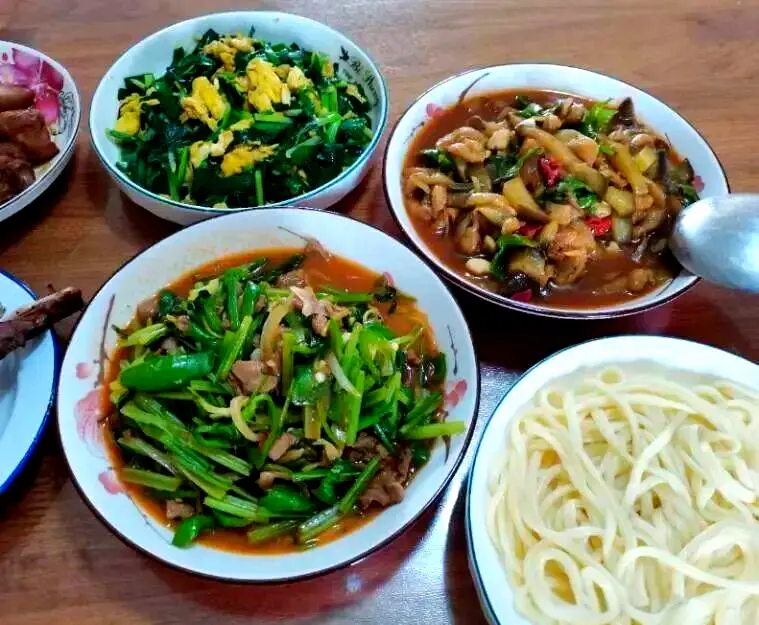
With the passage of time, Xinjiang stir-fried noodles have undergone continuous innovation. New flavors such as vegetarian and seafood stir-fried noodles have emerged to cater to diverse tastes. Simultaneously, the dish has transitioned toward industrial production, giving rise to convenient instant noodle products that allow more people to enjoy this delicacy anytime, anywhere.
In Xinjiang restaurants, the presentation of stir-fried noodles has also become more diverse. Some establishments now offer small-portion combo meals, allowing diners to sample multiple flavors in one sitting. This innovation preserves the essence of traditional stir-fried noodles while catering to modern consumers’ desire for culinary variety.
As a culinary emblem of Xinjiang’s culture, stir-fried noodles continue to evolve with the times. Yet the passion for life and the pursuit of delicious food that Xinjiang people embody within them remain unchanged.
-
What are the must-try dishes in Xinjiang?
Must-try dishes include Da Pan Ji (big plate chicken), lamb kebabs, naan bread, and hand-pulled noodles.
-
Is Xinjiang food spicy?
Xinjiang food is flavorful but not necessarily spicy. It features cumin, pepper, and other aromatic spices.
-
Can I find vegetarian food in Xinjiang?
Yes, there are vegetarian options available, though meat dishes are more common in local cuisine.
-
Where is the best place to eat in Xinjiang?
Local night markets and family-run restaurants offer the most authentic dining experiences.