Recommended Xinjiang Hand-Pulled Rice Dishes and Preparation Methods
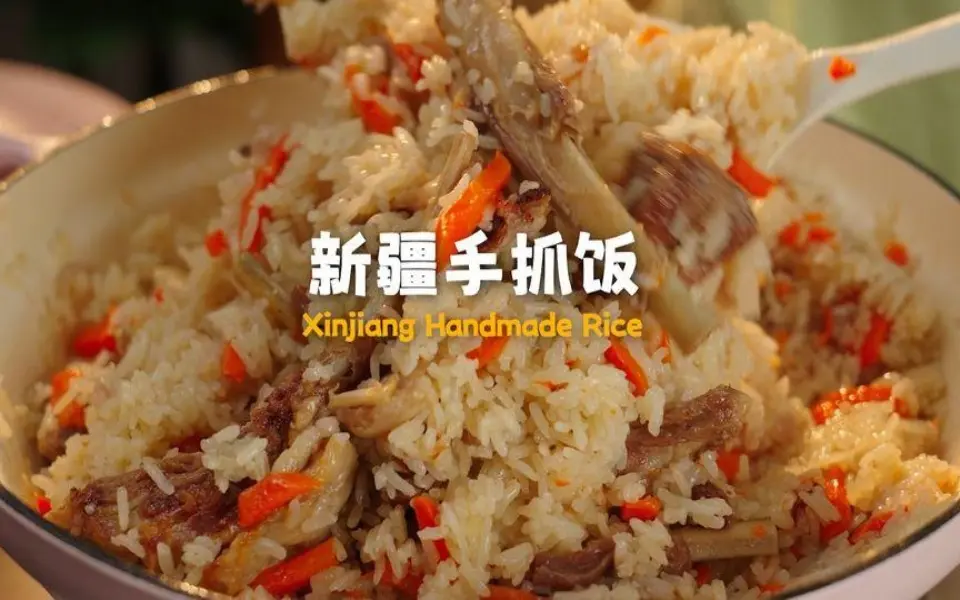
Xinjiang hand-pulled pilaf, known in Uyghur as ‘polo’ or ‘polo’, stands as one of Xinjiang’s most iconic traditional dishes. This time-honoured delicacy serves not only as a staple food for ethnic groups such as the Uyghurs and Kazakhs, but also as the highest honour bestowed upon distinguished guests.
The origins of polo trace back to the Northern Song Dynasty, traditionally attributed to a physician named Abu Ali Ibisi. Suffering from chronic weakness, he experimented with various remedies to no avail. Eventually, he devised this dish by simmering lamb, carrots, onions and rice together. Remarkably, consuming it restored his health, leading to the recipe’s widespread adoption and evolution into the polo we know today.
In Xinjiang, hand-pulled rice is more than a dish; it is a cultural emblem. It embodies the warm hospitality characteristic of Xinjiang’s diverse ethnic groups, serving as an indispensable culinary element during festivals, wedding banquets, and guest receptions. Today, let us explore recommended Xinjiang hand-pulled rice dishes and their preparation methods.
I. The Allure of Xinjiang Hand-Pulled Rice
1. Distinctive Flavour Profile
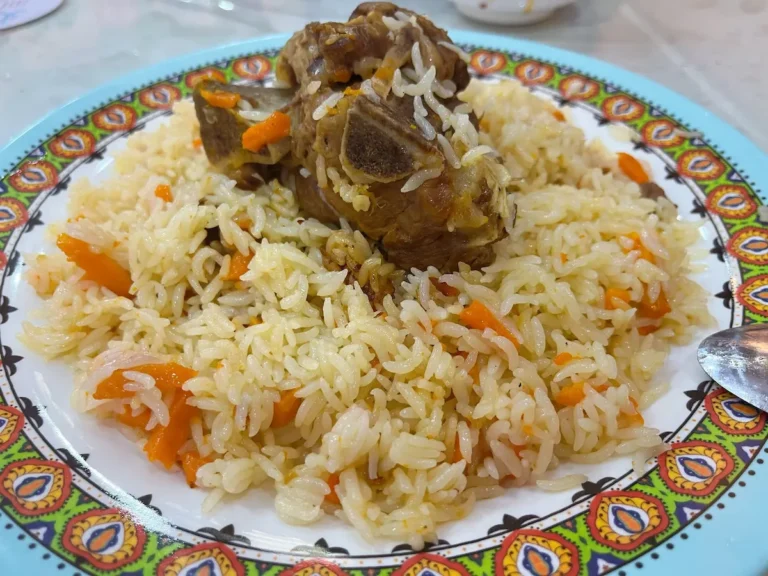
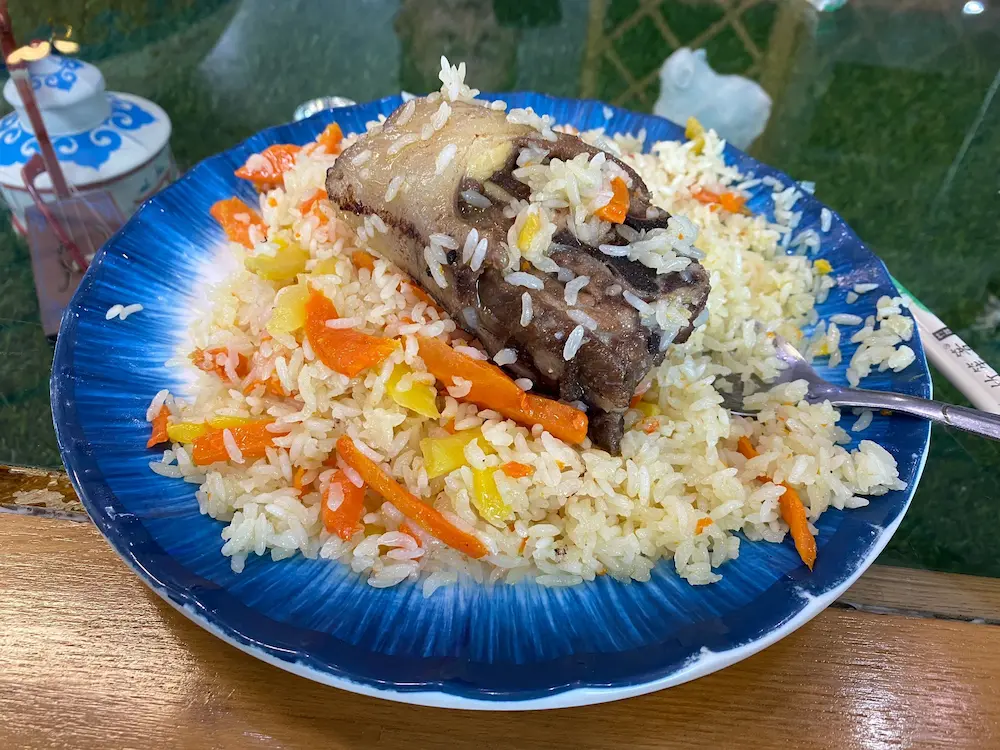
The uniqueness of Xinjiang hand-pulled rice lies in its richly layered texture. Golden grains absorb the savoury essence of lamb and the sweet aroma of carrots, each kernel plump and glossy, exuding an enticing fragrance. Slow-cooked over a gentle flame, the lamb becomes tender and succulent. The addition of carrots and onions balances any richness, imparting a natural sweetness.
The soul of this dish lies in its ingredient pairing. Locally sourced Xinjiang lamb boasts a tender texture with minimal gaminess; yellow carrots and carrots provide natural sweetness and vibrant colour; while onions eliminate any gaminess while enhancing the aroma. These simple ingredients, combined in precise proportions and through skilful cooking, fuse into this endlessly satisfying dish.
2. Rich Nutritional Value
Hand-pulled rice is a nutritionally balanced feast. Lamb provides high-quality protein and multiple amino acids; carrots, rich in vitamin A and beta-carotene, are hailed as ‘little ginseng’; onions contain various vitamins and minerals that boost immunity; while rice serves as the primary carbohydrate source.
In Xinjiang, hand-pulled rice is revered as the ‘Ten-in-One Nourishing Rice,’ traditionally believed to fortify the spleen, strengthen the stomach, nourish the kidneys, and harmonise the liver. This dish delivers ample energy while remaining easily digestible, making it an ideal choice for winter warmth and gentle tonification.
II. Recommended Hand-Pulled Rice Restaurants in Xinjiang
1. Hetian Rose Pilaf (Urumqi Flagship Store)
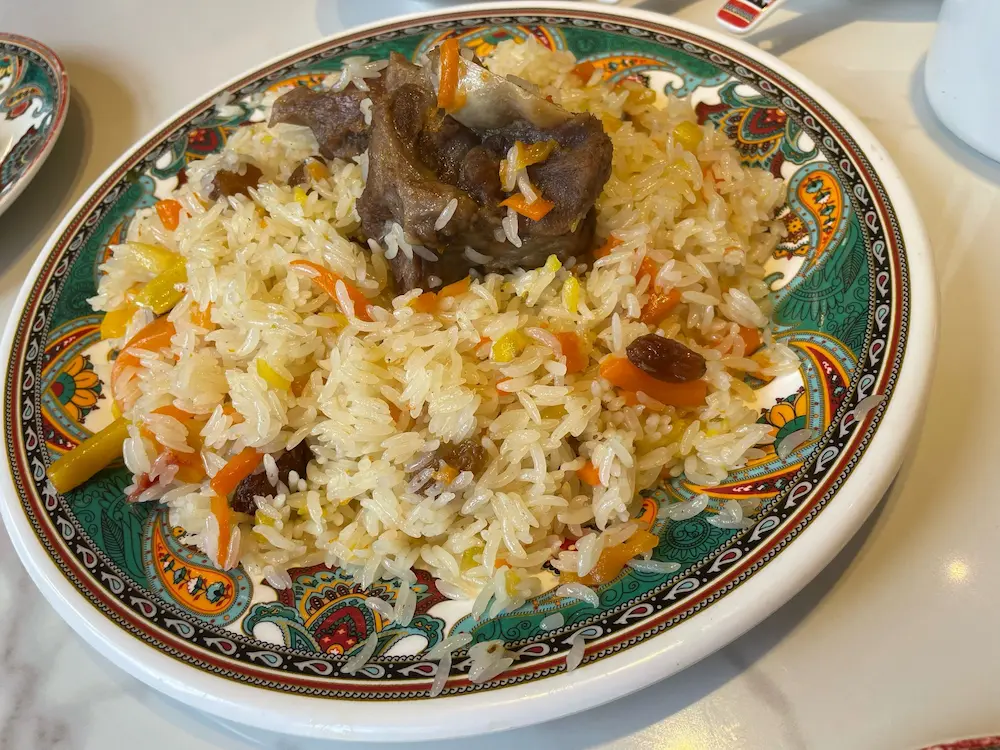
Hetian Rose Pilaf is widely regarded as one of Urumqi’s most authentic hand-pulled pilafs, making it the premier destination for visitors seeking to savour Xinjiang’s signature dish. The establishment’s hallmark lies in its selection of premium lamb shank, slow-cooked for hours with a secret blend of spices. This meticulous preparation yields meltingly tender meat, while the rice absorbs the rich essence of the meat juices.
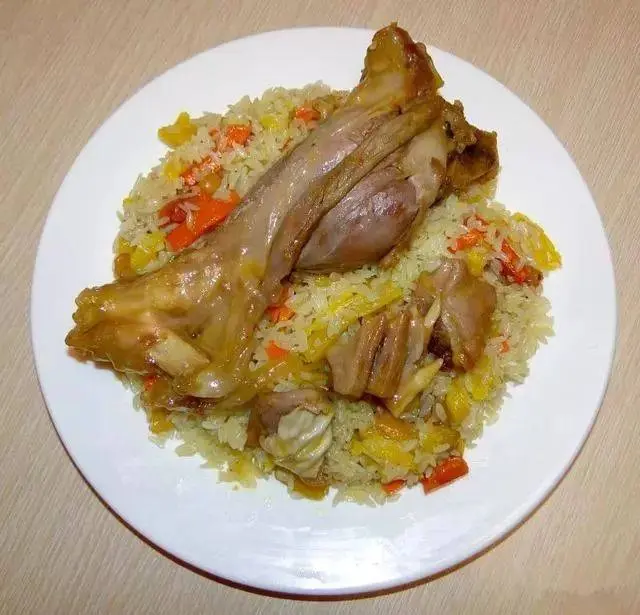
Signature Recommendation: The lamb shank pilaf is the star dish here, featuring a whole lamb shank served with yellow carrots and rice, offering tender, succulent meat. Paired with the restaurant’s homemade yoghurt and pickled onion (piyazi) side dish, it cuts through richness and enhances flavour. Priced at approximately 25-40 yuan per portion, it offers excellent value for money.
Practical Information: Located at No. 8 Taishan Street, Ürümqi (within the car park 10 metres down the alley to the right of the underground garage). Due to high demand, it’s advisable to avoid the midday rush. Hand-pulled pilaf is sold out daily, so visiting before 3 PM is recommended.
2. No. 17 Pilaf King (Ürümqi Heritage Establishment)
As a time-honoured hand-pulled rice establishment in Ürümqi, No. 17 Pilaf King has earned the favour of countless diners through its traditional craftsmanship and consistent quality. Here, the pilaf is rich yet not greasy, with grains perfectly separated, while the lamb is tender and free of gaminess – perfectly embodying the essence of traditional hand-pulled rice.
Special Features: The establishment adheres to traditional preparation methods, with homemade yoghurt complementing the dish exceptionally well. The restaurant’s interior exudes rich ethnic flair, allowing patrons to savour the cuisine while immersing themselves in Xinjiang’s distinctive cultural ambiance.
Location: Situated at 268 Hetian Street, Shayibak District, Ürümqi, it enjoys convenient transport links. Surrounded by tourist attractions such as the Grand Bazaar, it offers visitors a convenient one-stop experience.
III. Detailed Home-Style Xinjiang Hand-Pulled Rice Tutorial
1. Ingredient Preparation (Serves 4)
Main Ingredients:
Lamb (ribs or leg meat) 500g, preferably with a small amount of fat for added flavour
Rice 500g, long-grain variety recommended
Yellow turnip and carrot 200g each
Onions 2
Seasonings:
Salt 10g
Cumin powder 5g (optional)
Vegetable oil 50ml
Water as needed
2. Preparation Steps
- Step One: Ingredient Preparation
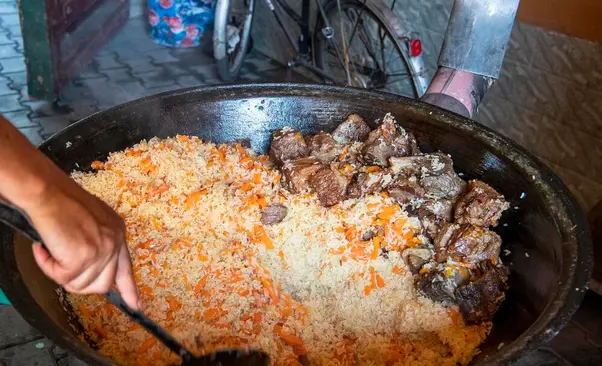
- Rinse the rice thoroughly and soak in water for 30 minutes to enhance texture. Cut lamb into 3-4cm cubes; slice carrots and yellow carrots into thick strips; shred half the onions and dice the remaining half.
- Step 2: Stir-frying the Main Ingredients
- Heat vegetable oil in a wok until moderately hot. Add lamb chunks and stir-fry until golden brown, rendering lamb fat and releasing meat aroma. Add onion shreds and continue stir-frying until softened and translucent.
- Step Three: Simmering the Carrots
- Add the carrot strips to the sautéed lamb, stir to combine, then pour in sufficient water to just cover the ingredients. Season with salt and cumin powder. Bring to the boil, then reduce to a gentle simmer for 15-20 minutes.
- Step Four: Adding the Rice
- Spread the soaked rice evenly over the ingredients, smoothing it gently with a spoon. Pour in sufficient water to just cover the rice (approximately 1.2 times the volume of the rice). Do not stir at this stage to ensure even heating.
- Step 5: Simmer on Low Heat
- Cover the pot and simmer on the lowest possible heat for 30-40 minutes. Avoid frequent lifting of the lid to prevent loss of steam, which affects texture. Once the rice is fully cooked and has absorbed the broth, turn off the heat.
- Step 6: Fluffing and Serving
- After turning off the heat, poke several holes through the rice with chopsticks, then cover and let rest for 5 minutes. Finally, use a large spoon to gently fold the rice from the bottom upwards, ensuring the rice, lamb, and carrots are thoroughly combined.
3. Cooking Tips
- Selecting Ingredients: Opt for lamb ribs or leg cuts with bone, as the marrow essence enhances the pilaf’s flavour. Xinjiang-grown long-grain rice is ideal, offering superior water absorption and a pleasantly chewy texture.
- Heat Control: Maintain a low simmer throughout steaming to prevent scorching. Adjust steam by leaving the lid slightly ajar, or place a clean tea towel between the lid and pot to absorb condensation.
- Flavour Variations: For a fruity note, add raisins at the end. To explore different flavours, serve with a dollop of yoghurt. Vegetarians may omit the lamb entirely to create a vegetarian pilaf.
IV. The Culture and Etiquette of Eating Pilaf
1. Traditional Method of Consumption
The most traditional way to eat pilaf is by hand. Before eating, one washes their hands with water from a jug and sits around a tablecloth. A small handful of pilaf is placed in the palm, then shaped into a small ball using the thumb, index finger, and middle finger before being placed in the mouth. This method of eating reflects the Xinjiang peoples’ closeness to nature and their warm, generous character.
Modern Xinjiang restaurants typically provide cutlery, though some traditional households and festive occasions retain the hand-eating custom. Visitors may choose between cutlery or trying hand-eating based on comfort; locals are generally accommodating towards tourists.
2. Recommended Pairings
The ideal accompaniments for hand-pulled pilaf are Xinjiang yoghurt and brick tea. The tangy yoghurt counterbalances the dish’s richness, while brick tea aids digestion. On traditional Xinjiang tables, hand-pulled pilaf is often served with thin-skinned steamed buns, termed ‘axi man tu’ – the highest honour reserved for distinguished guests.
For accompaniments, onion salad (piyazi) makes an excellent choice. Thinly sliced onions are tossed with salt, vinegar, and coriander for a refreshing, grease-cutting effect. Additionally, grilled lamb skewers form a classic pairing with hand-pulled pilaf, delivering a complete Xinjiang flavour experience.
V. Regional Variations and Adaptations of Hand-Pulled Rice
Xinjiang’s hand-pulled rice exhibits distinct regional characteristics. In Ürümqi, the dish emphasises authentic ingredients and traditional flavours; in Kashgar, a touch of papaya is often added to impart a fruity aroma; while in Ili, horse meat or horse sausage may be incorporated, yielding a uniquely savoury profile.
Beyond the classic lamb pilaf, Xinjiang has developed numerous regional variations: minced meat pilaf uses finely chopped lamb for easier consumption; chicken pilaf substitutes lamb with chicken for a lighter, fresher taste; vegetarian pilaf incorporates dried fruits like raisins and apricots for a sweet, refreshing flavour; and lamb rib pilaf features bone-in ribs for exceptionally tender meat.
The most distinctive is undoubtedly ‘baozi pilaf’, where five to six thin-skinned steamed buns are placed atop the pilaf. This ‘powerhouse pairing’ is typically reserved for entertaining the most honoured guests, reflecting the Xinjiang people’s warmth and sincerity in hospitality.
Whether savouring authentic lamb leg pilaf at Ürümqi’s “Hotan Rose Pilaf” or preparing this millennia-old delicacy at home, Xinjiang hand-pulled pilaf offers a feast for the eyes, nose and palate. This dish not only epitomises Xinjiang’s culinary heritage but also serves as a flavourful link connecting the ancient and modern Silk Roads.