Xinjiang Bayinbuluke Travel Guide
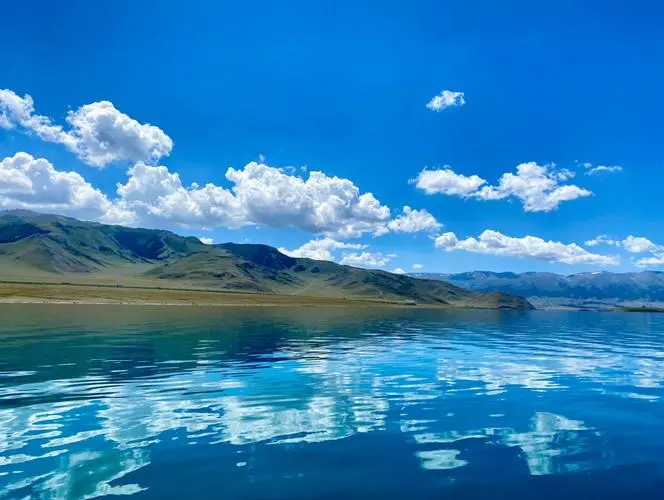
At an altitude of 2,500 meters in the heart of the Tianshan Mountains lies a hidden paradise known as the “Abundant Springs.” Here, where grasslands meet the sky, resides the northernmost home of wild swans.
Bayinbuluke Grassland lies in the northwest of Hujing County, Bayingolin Mongol Autonomous Prefecture, Xinjiang. Nestled within a mountain basin in the central Tianshan Range, it is encircled by snow-capped peaks. As China’s second-largest grassland (after Inner Mongolia’s Hulunbuir Grassland), Xinjiang’s Bayinbuluke spans 23,835 square kilometers with an average elevation of approximately 2,500 meters, making it a quintessential alpine grassland.
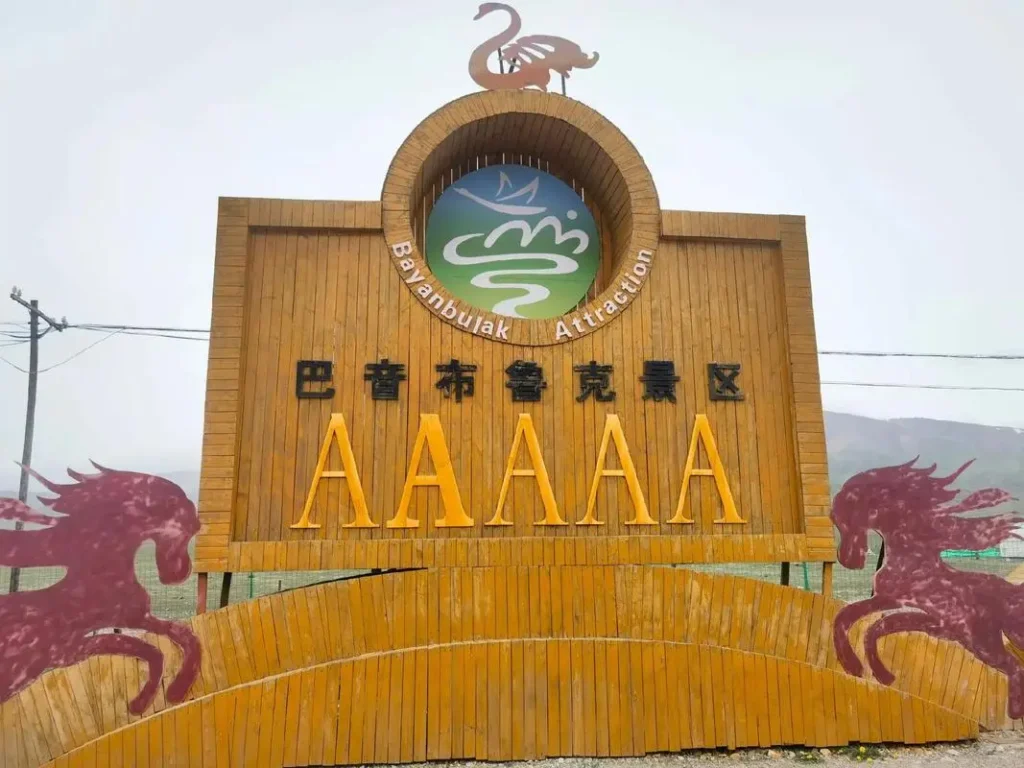
In Mongolian, the name “Bayinbuluke” means “abundant springs.” Over a thousand springs dot the grassland, merging with the trickling streams from melting ice and snow to form the Kaidu River—the mother river of Bayinbuluke Prefecture. Designated a National 5A-level Tourist Attraction in 2016, the Bayinbuluke Scenic Area integrates mountains, basins, grasslands, and wetlands, standing as one of Xinjiang’s most significant nature reserves and tourist destinations.
I. In-Depth Exploration of Core Attractions
1. Nine Bends and Eighteen Curves: A Golden Ribbon Across the Grasslands
The Kaidu River meanders through the vast, flat grasslands, forming the renowned “Nine Bends and Eighteen Curves” landscape. This river, over 40 meters wide, resembles a silver ribbon tracing elegant arcs across the grassland.
The prime viewing time is sunset. As the sun dips below the horizon, the river bends reflect multiple suns, creating the spectacular sight of “nine suns strung like pearls.” Arrive at the viewing platform before 8 PM (summer sunset around 9:30 PM) to secure a front-row photography spot.
The viewing platform offers electric cart service (approx. 20 yuan) or horseback riding options to conserve energy. Temperatures drop sharply after sunset; be sure to bring a thick coat.

2. Swan Lake Nature Reserve: A Paradise for Wild Swans
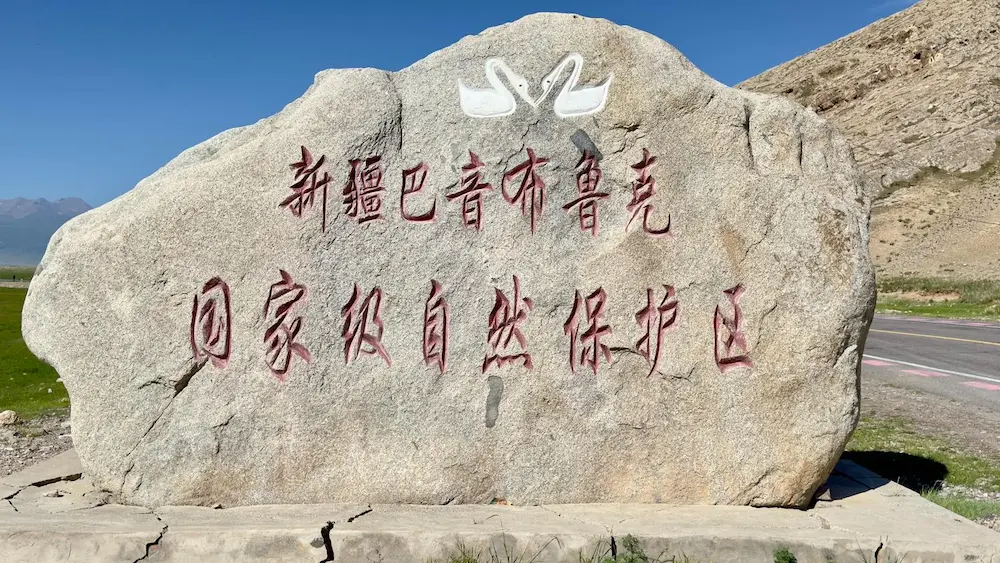
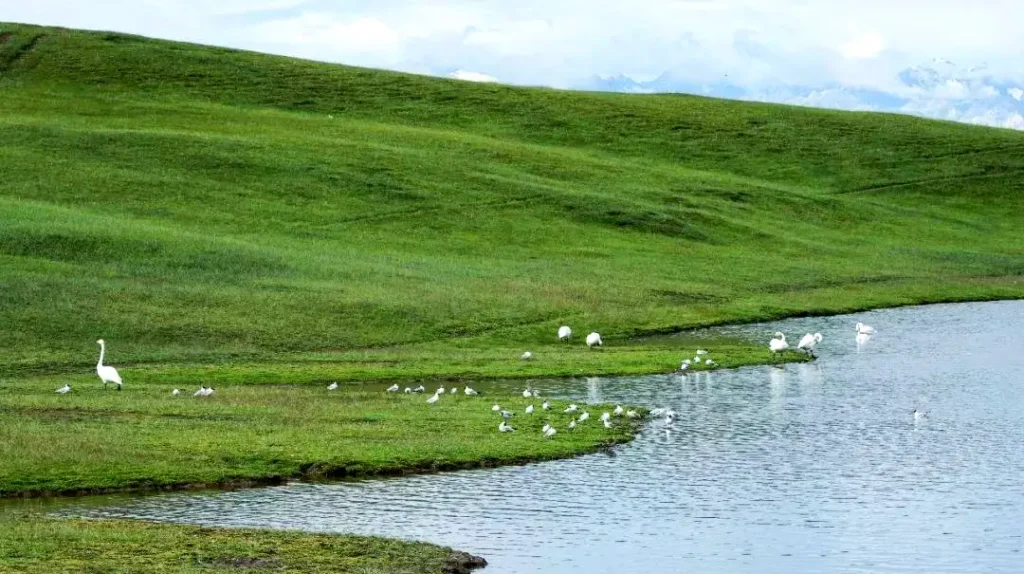
Swan Lake is China’s only swan nature reserve and Asia’s largest swan sanctuary. This vast marshland, composed of interconnected lakes, shelters China’s largest wild swan population.
The reserve is home to nearly 7,000 wild swans, including whooper swans, tundra swans, and mute swans. Each March, these precious birds migrate north from the south to breed and raise their young here, beginning their southward migration in mid-to-late September.
Dawn marks the swans’ most active period, when they rest, forage on the lake surface, or take flight. Wooden boardwalks allow visitors to observe them up close, though feeding is strictly prohibited.
3. Torghut Folk Culture Village: Cultural Imprint of the Eastern Return
This cultural village is a large-scale complex built in the style of traditional Torghut dwellings, showcasing the folk customs of Mongolian grassland tribes and the history of their return to the east.
Visitors can participate in Torghut Mongolian rituals such as sacrificial ceremonies, bride-snatching ceremonies, and bonfire parties. They can also watch performances of the Three Skills of the Grasslands (horseback riding, wrestling, and archery), immersing themselves in the rich ethnic traditions.
Historical Background of the Eastern Return: In the 36th year of the Qianlong reign (1771), Oboxi, leader of the Torghut tribe, led 170,000 followers eastward from the Volga River basin in Russia. The Qing government resettled them in this region.
II. Travel Seasons and Weather Guide
Summer (June–September): Peak Travel Season
Climate: Average summer temperature around 20°C (68°F), daytime highs 15–25°C (59–77°F), making it an ideal summer retreat
Scenery: Lush green grasslands dotted with wildflowers, abundant water sources, with the meandering river bends offering the most spectacular views
Activities: Participate in the Naadam Festival (typically July–August) to experience traditional Mongolian events like horse racing and wrestling
Spring/Autumn (May, October)
Characteristics: Transitional seasons with gradually changing grass colors and fewer tourists
Considerations: Grass begins greening in early May and turns yellow after October, resulting in slightly less vibrant scenery
Winter (November–April)
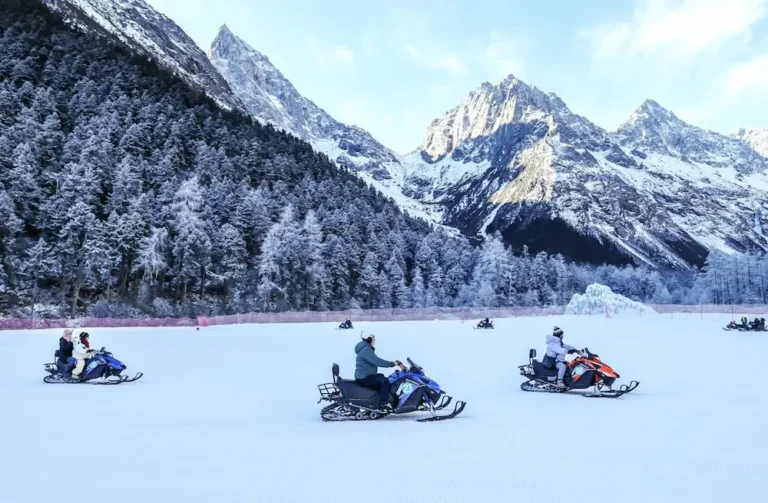
Climate: Cold and prolonged with extremely low temperatures
Accessibility: Some scenic area facilities are closed, limiting accessibility
III. Comprehensive Practical Travel Information
Admission & Opening Hours
Ticket + Sightseeing Bus: ¥140/person (Bus Route: Visitor Center → Swan Lake → Barun Temple → Nine Bends and Eighteen Turns Viewpoint)
Opening Hours: 8:00 AM – 7:00 PM (Sightseeing Bus stops at 7:30 PM)
Recommended Visit Duration: 1-2 days
Transportation Guide
External Access:
By Air: Fly to Korla Airport or Urumqi Diwopu Airport, then transfer by bus (approx. 6 hours)
By Train + Bus: Arrive at Urumqi Railway Station, then take a coach (approx. 8 hours; faster during Duku Highway opening period)
By Car: Drive via Duku Highway (open June-October only) for breathtaking scenery
Internal Transportation:
Eco-friendly shuttle buses are mandatory within the scenic area, with flexible stops at attractions.
Town center areas are accessible on foot or by taxi.
Accommodation Recommendations
Budget: Grassland Inn, Snowland Hotel (approx. ¥150 per person)
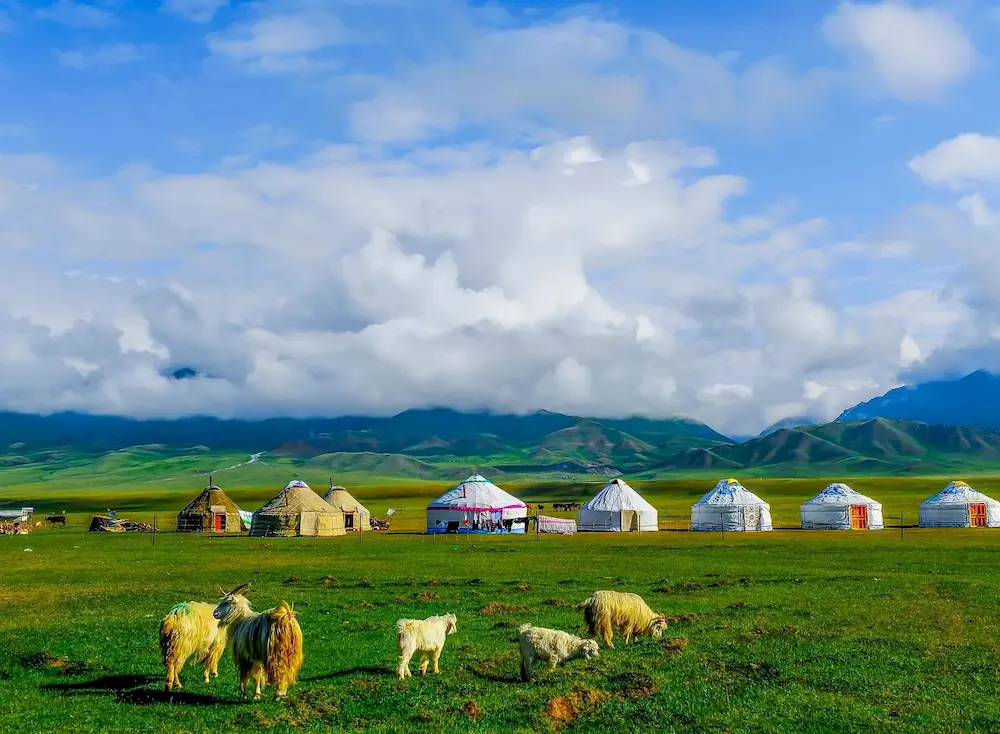
Unique Experience: Mongolian yurts in pastoral areas (approx. ¥300 per yurt, breakfast included) for an immersive pastoral lifestyle experience.
IV. Local Cuisine and Shopping
Hand-pulled Lamb: Boiled lamb with a milky aroma, delicious when dipped in salt—a local specialty.
Butter Tea: Hot tea infused with clarified butter, the most hearty beverage on the steppe.
Grilled Buns: Golden-brown, crispy crust encasing lamb chunks and onions, with the rich aroma of oil mingling with cumin.
Wild Mushroom Noodles: Recommended at “Grassland Pastoral Restaurant” for authentic and affordable fare.
Local Specialties
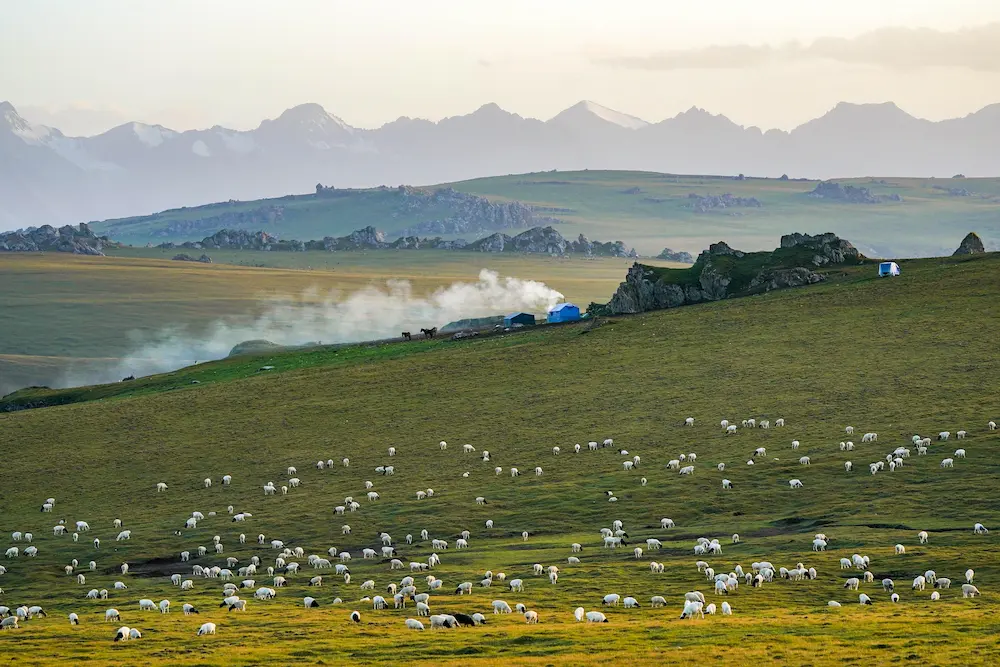
Four Treasures of the Grasslands: Yanqi Tianshan horses, Bayinbuluke large-tailed sheep, Merino sheep, and yak.
Dairy Products: Local specialties like milk curds and butter.
V. Recommended Itinerary
2-Day, 1-Night Immersive Tour
Day 1:
Morning: Arrive at Swan Lake Nature Reserve and observe wild swans along the wooden boardwalk
Afternoon: Visit the Torghut Folk Culture Village to experience Mongolian traditions
Evening: Ascend to the Nine Bends and Eighteen Turns Viewing Platform to capture the spectacular sunset
Day 2:
Morning: Experience horseback riding on the grasslands (approx. 80-100 RMB/hour) and feel the freedom of the wind
Afternoon: Sample local cuisine, purchase souvenirs, and depart at your convenience
Nearby Attractions
Gongnasi Forest Park: Located along the upper reaches of the Gongnasi River, offering distinct seasonal landscapes and serving as an ideal summer retreat and tourist destination.
Aershan Hot Springs: Water temperatures range from 43°C to 63°C, rich in minerals and trace elements, renowned for their high therapeutic and health benefits.
VI. Travel Tips and Precautions
Pre-trip Preparation
Cold-weather gear: Significant temperature fluctuations between day and night in summer; lightweight down jacket/windbreaker essential
Sun protection: Sunscreen, hat, sunglasses (strong UV rays)
Comfortable footwear: Scenic areas require walking; sneakers/hiking boots recommended
Identification: Carry ID card at all times
Ecological Conservation and Civilized Tourism
Strictly prohibited: Feeding swans or other wildlife
Carry out all trash; do not pick wildflowers
Respect local Mongolian and Kazakh customs; engage in friendly interactions
Special Notes
Altitude sickness: Elevation 2500m. Avoid strenuous exercise; carry chocolate and oxygen canisters
Weather changes: Check scenic area status before departure; viewing platforms may close during rain
Cash preparation: Some small shops and horse-riding services accept cash only